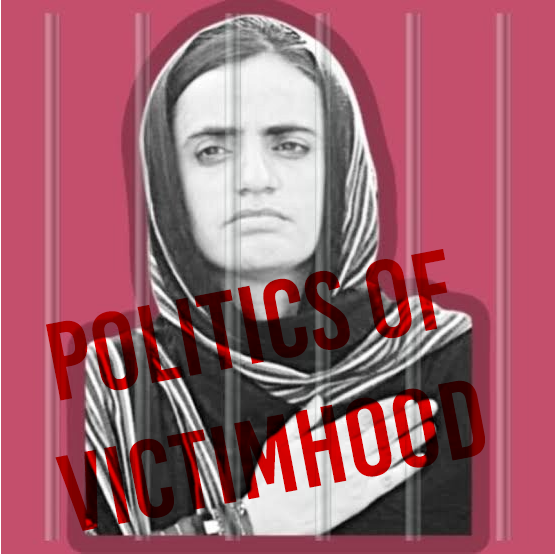
Mahrang Baloch wrote a letter from Huda Jail regarding the Sorab incident in which she framed the Sorab incident as “Baloch genocide.” The allegation removes the security context, obscures what was being targeted and recasts those affected as victims of collective persecution. The terrorist threat disappears, while the state becomes the sole accused.
According to ISPR, the events unfolded differently. On August 12, an under-preparation Vehicle-Borne Improvised Explosive Device (VBIED) detonated in Sorab while terrorists affiliated with Fitna Al Hindustan were preparing it.
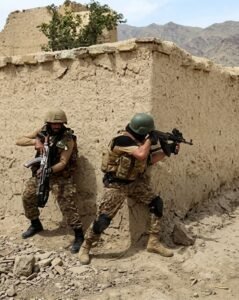
The premature explosion killed eight terrorists and injured several others. The blast and secondary detonation of explosives stored at the site also reportedly killed three nearby civilians. Security forces and Balochistan Police subsequently launched a joint clearance operation, during which ten fleeing terrorists were detected and neutralized. According to ISPR, 18 terrorists were eliminated in the incident and subsequent operation, while two soldiers were injured. Sanitization operations continued to eliminate any remaining terrorist threat.
This sequence matters because it establishes the security context that disappears from Mahrang Baloch’s framing. The incident did not begin with a security operation against an unidentified civilian gathering. It began with the premature detonation of a VBIED being prepared by terrorists. The subsequent security operation was a response to an active terrorist threat. The tragic death of nearby civilians deserves recognition, but their deaths cannot be separated from the terrorist activity that caused the explosion in the first place.
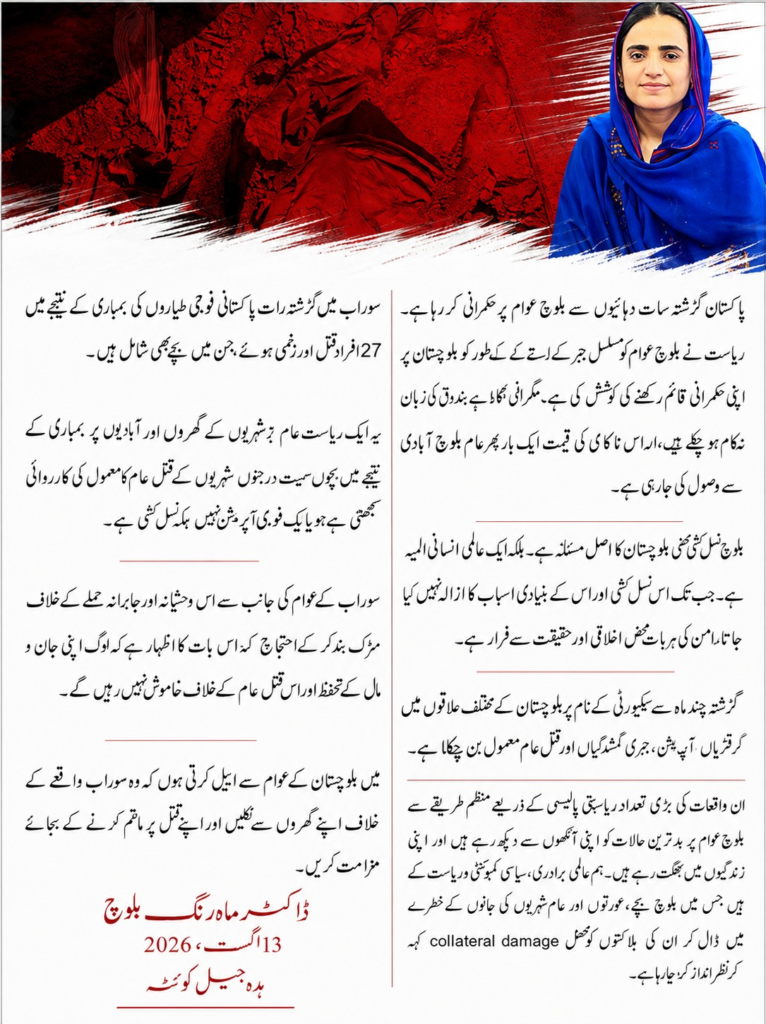
Yet the political narrative of Mahrang Baloch moved directly to “genocide.” A specific counter-terrorism operation was transformed into evidence of collective persecution. The terrorist threat disappeared, the state response became the central allegation and the terrorists responsible for preparing the VBIED were pushed out of the story.
This is narrative inversion. Terrorist responsibility is replaced by victimhood, while counter-terrorism is recast as state aggression.
The pattern has appeared before. Following the March 2025 Jaffar Express terrorist attack, Mahrang Baloch and BYC activists went to Quetta Civil Hospital to claim the bodies of those killed during the security operation, including BLA terrorists. The act shifted attention from the terrorist attack and its victims to the dead terrorists and their political representation.
The significance was how the deceased were presented. Once those killed during the operation were portrayed only as victims, their terrorist affiliations, actions and intended targets were pushed aside. The terrorist organization and its victims disappeared from the narrative, while the deaths of the terrorists became the central issue. Terrorist responsibility was replaced with victimhood.
Terrorist organizations do not need every political actor to openly praise their violence. They benefit when their members are politically rehabilitated after death, their attacks receive limited condemnation and every operation against their networks becomes an indictment of the state. Political shielding gives terrorism a respectable vocabulary without requiring overt endorsement.
The asymmetry is visible across Balochistan. BLA and other terrorist organizations have attacked civilians, workers, security personnel, passenger transport and public infrastructure. The Jaffar Express attack turned ordinary passengers into hostages. Workers have been targeted because of where they work and where they come from. Security personnel have been killed while protecting the same communities terrorists claim to represent.
Yet outrage over terrorist casualties after security operations often exceeds condemnation of the terrorism that produced those operations. The victims of terrorism become footnotes while terrorist casualties become political causes. That is selective advocacy.
Human rights cannot mean demanding accountability from the state while ignoring those who deliberately kill civilians. Workers, passengers and security personnel targeted by terrorists have the same right to life and security as anyone else. By erasing terrorist responsibility, turning terrorist casualties into symbols of persecution and portraying counter-terrorism operations as evidence of genocide, Mahrang Baloch’s rhetoric moves beyond human rights advocacy and provides political cover to those responsible for terrorism.
The standard must be consistent. Terrorism must be condemned when civilians are killed, workers are targeted, trains are attacked and security personnel are murdered. Accountability must apply to terrorists with the same intensity demanded of the state.
The pattern is clear in the conduct of Mahrang Baloch and the BYC. By consistently shifting attention from terrorist violence to the deaths of terrorists and framing counter-terrorism operations as state persecution, they provide political and narrative space for terrorist organizations. Their human rights rhetoric cannot be separated from its political effect. When terrorist responsibility is obscured, their victims are sidelined and terrorists are recast as symbols of oppression, the result is not neutral advocacy. It becomes a form of soft support that shields terrorism from scrutiny and weakens the legitimacy of efforts to dismantle terrorist networks.