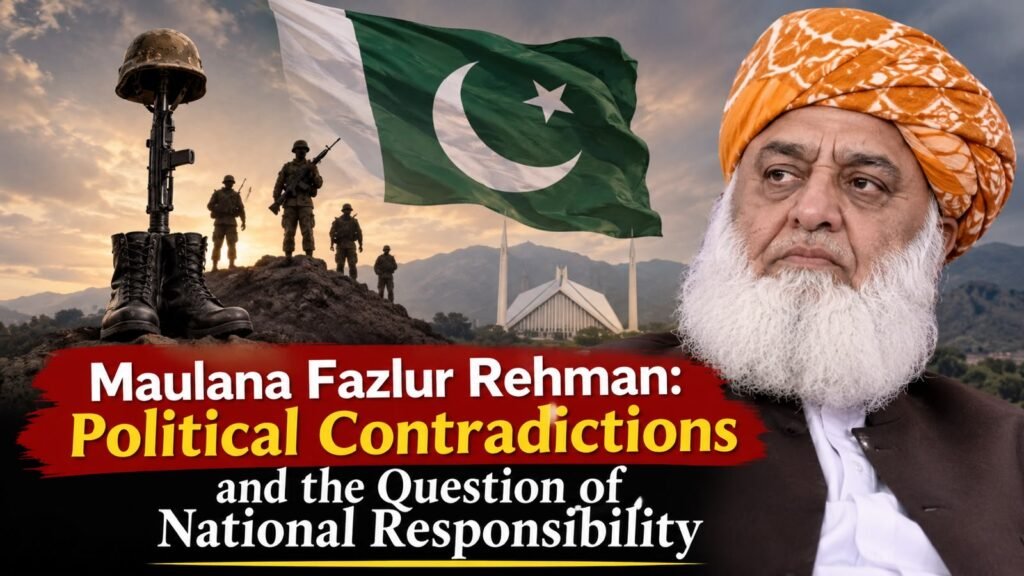
ISLAMABAD: Maulana Fazlur Rehman has built a long political career in Pakistan, enjoying decades of political influence, parliamentary representation and a prominent position in the country’s religious and political landscape. Yet his recent statements have raised questions about political consistency, national responsibility and his attitude towards the sacrifices made for Pakistan.
The controversy intensified following his remarks concerning the sacrifices of military personnel, which were widely criticised for appearing to undermine the contributions of those who have laid down their lives in defence of the country.
For a political leader who has spent decades benefiting from the political space, constitutional freedoms and democratic institutions of Pakistan, such remarks invite an important question: does political disagreement justify overlooking the sacrifices upon which the country’s security and stability depend?
Fazlur Rehman has repeatedly positioned himself as a defender of democracy, constitutional rights and religious values. However, critics argue that his political positions have often shifted according to changing political circumstances. His participation in different political alliances and his dealings with successive governments have also attracted scrutiny.
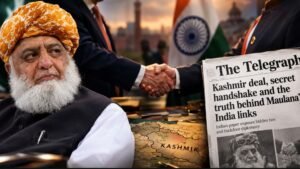
His lengthy tenure as chairman of the Parliamentary Committee on Kashmir has raised questions about the tangible outcomes achieved during those years. Critics have questioned whether his political influence translated into meaningful progress on an issue he frequently invokes in his political discourse.
The issue is not whether Maulana Fazlur Rehman has the right to criticise the government or state institutions. In a democratic society, political criticism is legitimate and necessary. The concern arises when criticism appears to disregard the sacrifices of ordinary soldiers and citizens who have paid the ultimate price for the country’s security.
Pakistan’s martyrs belong to no political party. Their sacrifices cannot be reduced to political arguments, nor should their honour become a subject of political convenience.
A political career built within the constitutional framework of Pakistan also carries a responsibility towards the country and its people. Public office brings influence, recognition and privileges, but it also demands accountability, consistency and respect for national sacrifices.
Political alliances may change and governments may fall, but the sacrifices of Pakistan’s martyrs remain part of the nation’s history. No political disagreement should ever diminish their honour.