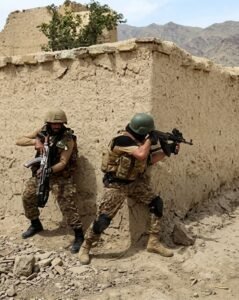
Pakistan carried out targeted airstrikes against identified hideouts of the banned Tehreek-i-Taliban Pakistan (TTP) and affiliated terrorist elements in Afghanistan during the night of September 20–21, striking locations in Kunar and Paktika near the Pakistan-Afghanistan border. According to Pakistani security sources, the intelligence-based strikes killed 28 terrorists and injured more than 100 others.
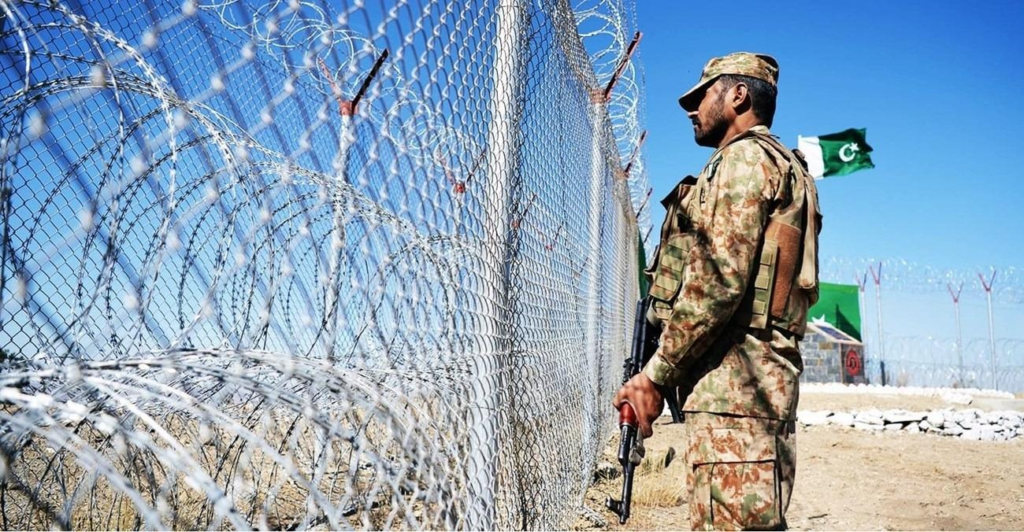
The strikes targeted terrorist infrastructure being used for planning attacks, coordinating operations and facilitating cross-border infiltration into Pakistan. An initial strike was conducted in district of Kunar, followed by another operation in district Paktika.
The timing of the operation is significant. Pakistan has faced renewed terrorist violence in Khyber Pakhtunkhwa, including the September 18 attack on Kohat’s old Police Lines, which killed 23 people, including 17 policemen. All eight attackers were subsequently killed during the clearance operation.
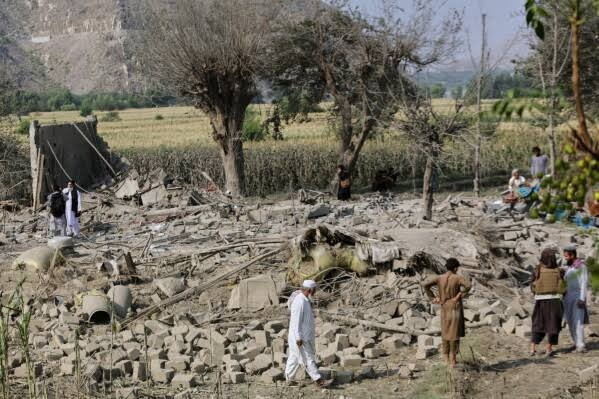
The Kohat attack also provided a specific Afghan connection. Pakistani security sources identified one of the two suicide bombers as Mutee-Ullah, an Afghan national. This adds to Pakistan’s longstanding concerns regarding terrorist networks, facilitators and operatives moving across the Pakistan-Afghanistan border.
The following day in Hangu, six Pakistani security personnel, including two Army officers, were martyred while eight terrorists were killed in an exchange of fire. Captain Abuzar Farooq and Lieutenant Sheraz Babar were among those martyred while leading their troops from the front.
These attacks cannot be separated from the wider threat posed by terrorist networks operating from Afghan territory. For Pakistan, TTP remains a direct cross-border terrorist threat, with its leadership, fighters and operational infrastructure maintaining a presence in Afghanistan’s eastern provinces.
The latest UN Security Council monitoring report provides further evidence of this presence. It estimates that TTP maintains around 6,000 fighters across Khost, Kunar, Nangarhar, Paktika and Paktiya. The report also describes continued logistical, operational and financial support available to TTP under Taliban rule.
TTP is using Afghan territory to plan attacks, coordinate operations, establish infiltration routes and move terrorists and resources towards Pakistan’s border.
This external operational space gives TTP the ability to sustain and regenerate its terrorist campaign even when individual cells are disrupted inside Pakistan. Training areas, leadership structures, logistical networks and cross-border routes provide the group with the infrastructure required to continue planning attacks against Pakistani civilians and security forces.
Pakistan has repeatedly attempted to address this threat through diplomatic channels. Islamabad has raised TTP activity with the Afghan Taliban, pursued bilateral engagement and highlighted the issue at international forums, while also participating in regional diplomatic mechanisms, including the China-facilitated Urumqi process. The consistent demand has remained straightforward: Afghan territory must not be used to launch or facilitate terrorist attacks against Pakistan.
Despite these efforts, the threat has persisted.
The September 20–21 strikes therefore represent direct action against identified terrorist infrastructure following repeated diplomatic demands. Pakistan has stated that the objective was to disrupt terrorist preparations, prevent further infiltration and protect its citizens from attacks originating across the border.
The significance of the operation extends beyond the reported casualties. Eliminating individual terrorists inside Pakistan can disrupt immediate attack plans, but the threat remains capable of regeneration when leadership, training and logistical infrastructure continues to operate across the border. Targeting that external infrastructure addresses a critical part of the terrorist network.
The latest strikes also place greater responsibility on Kabul. Repeated assurances regarding Afghanistan’s soil cannot substitute for concrete action when terrorist networks continue to operate from Afghan territory and attacks continue to reach Pakistan.
Kabul must translate its assurances into verifiable action by dismantling TTP sanctuaries, ending support and facilitation for terrorist networks, and preventing Afghan territory from being used to plan and execute attacks against Pakistan.
Diplomatic engagement can continue, but Pakistan’s security concerns are increasingly being shaped by the operational reality on the ground. Where terrorist infrastructure is identified across the border and continues to facilitate attacks against Pakistan, Islamabad has demonstrated that it is prepared to act against the threat.