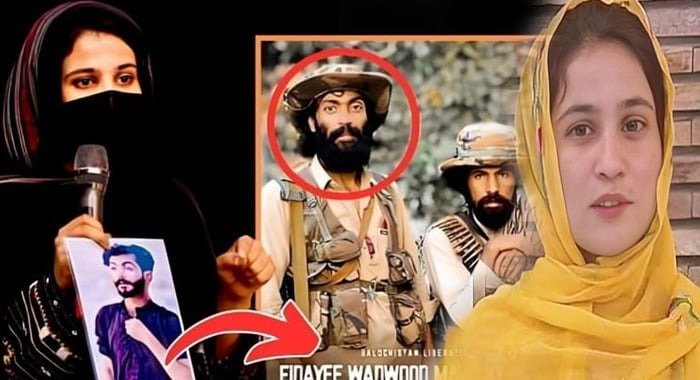

The Baloch Liberation Army announcement on 3 November 2026 that Bashir Zeb Baloch would no longer serve as commander-in-chief is far from the orderly transition claimed by spokesperson Jeeyand Baloch. The removal exposes an organization collapsing under intense, sustained counter-terrorism pressure and tearing itself apart through internal rivalries. The sudden leadership shift has laid bare deep fractures within the BLA’s command structure, shattering its so called constructed ideological narrative and revealing a leadership struggle driven by desperation, setbacks, and resource disputes.
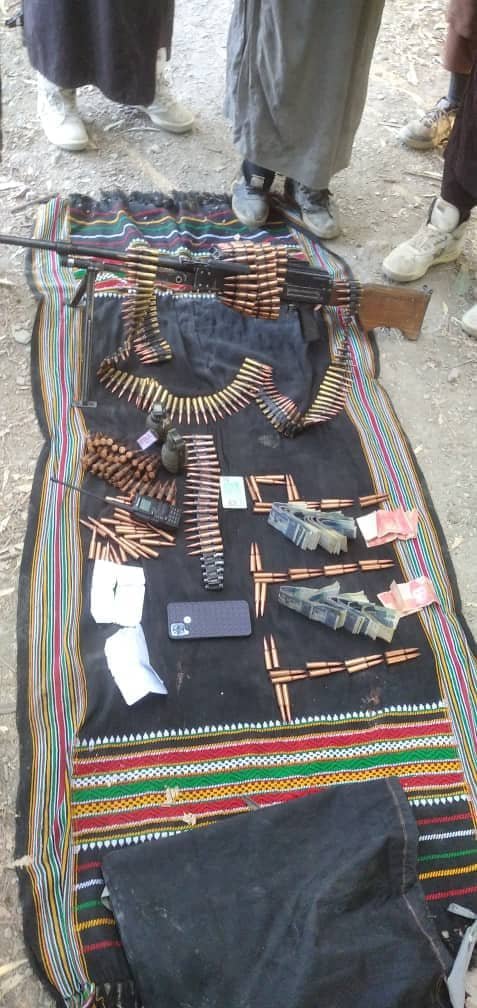
The immediate driver of this organizational decay is the toll taken by targeted counter-terrorism operations. Throughout recent months, persistent intelligence-driven military campaigns have dismantled critical supply corridors, eliminated operational commanders, and systematically degraded the group infrastructure across its traditional strongholds. The military relentless pressure turned Operation Herof 3 into a complete strategic failure, leaving the terrorist organization with mounting casualties, depleted reserves, and zero tactical gains to show for its massive resource expenditure. As frontline units suffered heavy losses and defensive operations restricted their mobility, anger mounted against top leadership sitting far from the battlefield. Organizations feeding through the foreign funding when facing operational failure inevitably leads to blame games, and Bashir Zeb’s removal is the direct byproduct of counter-terrorism operations breaking the group operational back and destroying its internal credibility.
Underneath the rhetoric of armed resistance lies an equally bitter power tussle for financial dominance. Reports of widespread financial corruption and the misappropriation of funds channeled through European networks in hubs like Stockholm and Paris have generated hostility between leadership cadres and field commanders. The terrorists who face the brunt of military actions, have grown resentful over wasted millions and the luxury enjoyed by foreign-based figures while operations fail on the ground. This mismanagement has degraded unit cohesion into localized transactional loyalty, where commanders are bought and sold, and competing power centers fight over shrinking financial pipelines rather than strategic objectives.
None of this structural fracturing is unprecedented; it reflects a long-standing pattern inherent to the terrorist organization. The BLA has historically splintered whenever foreign funding and personal ambition create competing authority structures. In 2017, internal hostility led to the expulsion of Aslam Baloch and Bashir Zeb, who appropriated the BLA name to build the aggressive Jeeyand faction, while the original command continued under Hyrbyair Marri as BLA-Azad. Years earlier, accusations of financial theft fueled the United Baloch Army split among the Marri leadership. This recurring cycle proves that foreign resource flows consistently undermine internal unity, creating warlords who eventually clash over money and authority.
This crisis of authority extends well beyond the BLA itself. The late October 2026 mass resignations of founding leaders from the Free Balochistan Movement, leading to the formation of the Balochistan Independence Party, demonstrate that political fronts are experiencing the exact same disintegration.
Ultimately, what remains of these terrorist networks is not a cohesive ideological movement, but a collection of fragmented, competing enterprises. Sustained counter-terrorism operations have dealt a decisive operational blow, forcing hidden rivalries into the open and exposing a leadership struggle fueled by foreign dollars, failed tactics, and deep-seated corruption. As combat losses mount and financial networks fracture, the BLA’s narrative has unraveled, leaving the organization trapped in an escalating cycle of internal conflict and operational decline.