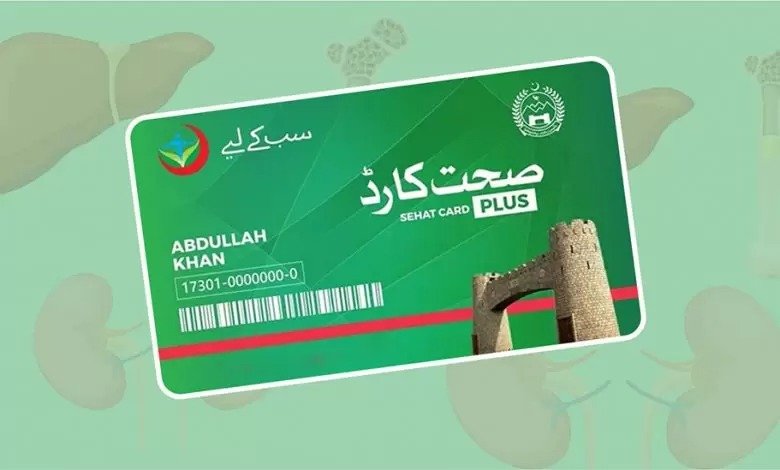
For families relying on the Sehat Card to pay for treatment, the programme is more than a government scheme, it can be the difference between receiving care and facing an unaffordable bill. Now, authorities in Khyber Pakhtunkhwa have ordered an investigation into complaints about the programme’s finances and administration dating back to 2019.
The inquiry is expected to examine more than 200 private hospitals on the Sehat Card panel. Investigators will review how the programme was implemented and how its funds were managed, with the aim of determining whether any irregularities took place. A report by Azaad Digital says records have been sought from public and private hospitals.
NAB Khyber Pakhtunkhwa has also directed Dr Muhammad Riaz Tanoli, the programme’s former chief executive officer, to appear before its investigation team in Peshawar on October 29. He has been asked to answer questions about the programme’s funds as part of the ongoing inquiry into alleged financial irregularities. The summons is part of the investigation and does not establish wrongdoing.
The complaints raise questions about the handling of public money but they are not proof of wrongdoing. The purpose of the investigation is to establish what happened, identify any failures if they are proven, and determine who, if anyone, was responsible.
The new administration says it is committed to good governance, accountability and a zero-tolerance approach to corruption. It has pledged that anyone found responsible for proven misconduct will be held accountable under the law, and that public funds should be spent on healthcare and public welfare.
The stakes are significant. Every rupee allocated to the Sehat Card is meant to support people seeking treatment. A fair and transparent inquiry could help clarify whether the programme’s financial and administrative systems have worked as intended and what needs to change to protect patients and public funds.
The decision has been welcomed by members of the public who want stronger accountability and transparent use of healthcare funding. The next test will be the investigation itself: whether it follows the evidence, treats hospitals and individuals fairly, and clearly explains its findings.
Until then, allegations remain allegations. The inquiry must establish the facts and ensure the programme continues to serve the people who depend on it.