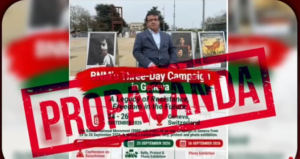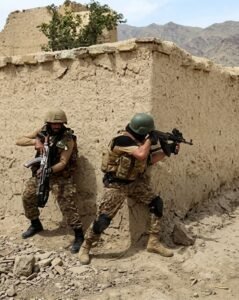
The displacement and phased rehabilitation of families from Tirah Valley in Khyber District is the difficult, necessary work of a sovereign state confronting terrorist networks that have long exploited the valley’s rugged terrain and porous border with Afghanistan. Over 30,000 families remain displaced as Pakistan conducts structured return operations in coordination with local tribal jirgas. Pashtun Tahafuz Movement (PTM) has sought to recast these operations as deliberate oppression of Pashtuns. A clear-eyed examination of the facts shows the opposite: the state is discharging its constitutional duty under Articles 9 and 15 to protect life and enable secure return, while laying the foundations for durable civilian governance.
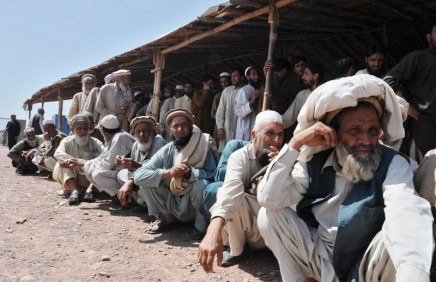
Security operations are protective, not punitive. PTM frames temporary evacuations as forced displacement and collective punishment. In reality, allowing civilians to remain in an active combat zone dense with IEDs, unexploded ordnance, and cross-border terrorist movement would be reckless negligence. Temporary relocation is a recognized protective measure that reduces civilian casualties during clear-and-secure operations. The objective is not permanent removal; it is the creation of conditions in which families can return to safety, dignity, and freedom from terrorist extortion.
Claims of ethnic targeting collapse under scrutiny. The operations target terrorist infrastructure that has held Pashtun communities under coercion. By dismantling these networks, the state liberates rather than oppresses the very population PTM claims to defend.
Allegations of state abandonment ignore the institutional machinery at work. NDMA, PDMAs, NADRA, and provincial authorities have coordinated relief, with substantial financial commitments including releases exceeding Rs 6 billion directed toward assistance and reconstruction. Administrative bottlenecks exist in any large-scale emergency, yet dedicated grievance mechanisms and registration processes demonstrate active engagement rather than indifference.
Equally important is the role of traditional governance. A 24-member representative tribal jirga has engaged directly with authorities. The state has accepted 37 local demands covering housing damage assessments, NADRA documentation flexibility, village representation on survey committees, and security reviews. The October return schedule was shaped through this dialogue. This is not unilateral militarization; it is participatory planning that respects tribal agency while advancing national security.
Checkpoints and screening are routinely labeled humiliation. In a border district adjacent to volatile Afghan routes, controlled access is an elementary requirement to prevent re-infiltration, arms smuggling, and the reconstitution of terror cells. The state’s stated commitment to periodic review and streamlining of unnecessary posts further undercuts the narrative of permanent collective punishment.
Critics present operations in former FATA as an endless militarized zone. Pakistan’s stated three-stage approach – Clear and Secure, Return and Rehabilitate, Govern and Develop—aims precisely at the opposite outcome. Reconstruction of schools and health facilities, restoration of infrastructure, and expansion of formal policing and judicial presence are designed to replace the security vacuum that terrorists once exploited with constitutional civilian administration.
Compensation mechanisms reinforce this trajectory. Joint survey committees that include local village representatives assess damage to homes and land. Provincial resources are being directed toward housing grants, infrastructure repair, and youth employment. These are not the actions of a state intent on looting or permanent impoverishment.
PTM and allied voices have attempted to create a false dilemma around the return schedule accusing the state of both malicious delay and reckless exposure of families to winter. The phased, conditions-based plan calibrated around October reflects practical realities: the need for thorough clearance of explosive hazards, verification of housing, and restoration of basic services such as water, power, and medical care. Accelerating return for political optics would endanger lives; indefinite delay would prolong humanitarian pressure. Responsible statecraft rejects both extremes.
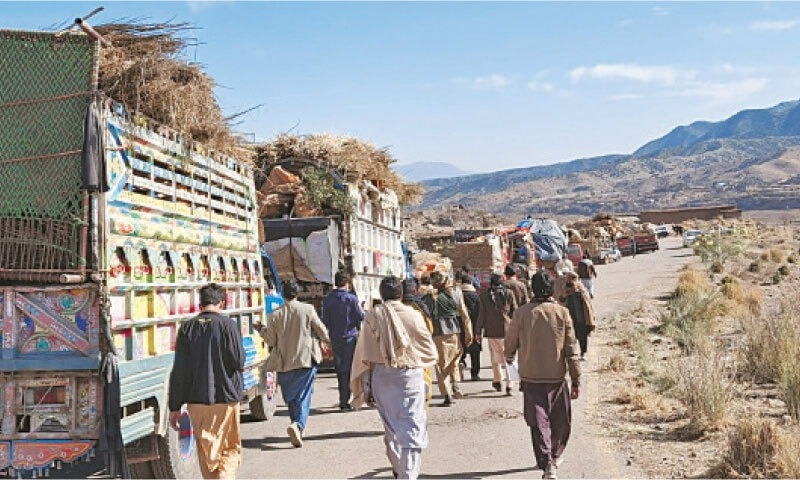
The Tirah Valley process tests Pakistan’s capacity to uphold sovereignty, protect civilians, and restore governance in a historically contested border region. Temporary displacement during counter-terrorism operations is a protective necessity, not ethnic targeting. Structured returns coordinated with tribal jirgas, backed by financial commitments and compensation mechanisms, demonstrate institutional seriousness. Narratives that ignore terrorist exploitation of the terrain and the state’s constitutional obligations do a disservice to the displaced families themselves. Durable peace in Tirah will come not from politicized urgency, but from the sequential restoration of security, services, and civilian authority.