The killing of five Punjabi labourers in Mashkel on July 12 was not simply another security incident in Balochistan. It was a direct assault on the principle that every Pakistani, regardless of province or ethnicity, has an equal right to life and security.
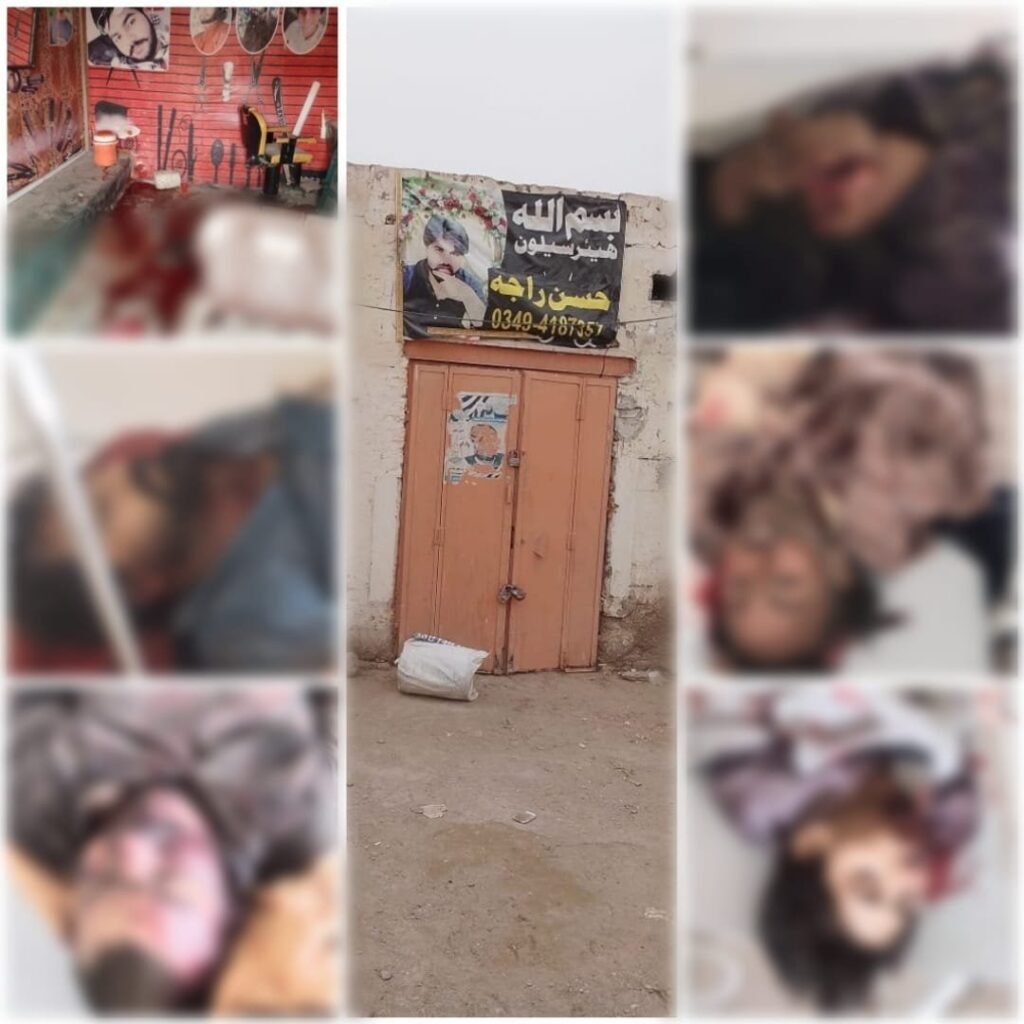
Gunmen stormed a local barbershop and opened fire, killing Muhammad Bilal, Muhammad Hassan, Muhammad Qadeer, Mohsin, and another laborer named Bilal on the spot. These men had travelled from different districts of Punjab to Washuk in search of livelihood. They were not armed, they held no political office, and they posed no threat to anyone.
The tragedy becomes even more disturbing when viewed alongside similar attacks over the past two years.
In May 2024, seven Punjabi barbers were murdered near Gwadar while they slept. In August 2024, twenty-three passengers were pulled off buses and trucks in Musakhail and executed after their identity cards were checked. In September 2024, seven labourers from Multan were killed while working on a house under construction in Panjgur. In April 2024, nine passengers were taken off a bus near Noshki and executed under a bridge.
Including the five victims of Mashkel, at least fifty-one civilians have been killed in major incidents where ethnicity or provincial origin appears to have been a significant factor in their targeting.
Such attacks do not merely take innocent lives; they undermine the social fabric of the country.
The purpose is to spread fear among workers and travellers from other provinces, discourage inter-provincial movement, and create mistrust between communities that have lived together for decades. The overwhelming majority of Baloch citizens do not support these crimes, but terrorist groups benefit when ordinary Pakistanis begin to view one another through the lens of ethnicity rather than citizenship.
What is equally troubling is the selective silence that follows these killings.
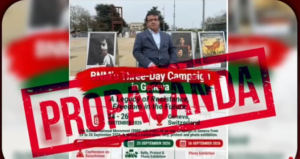
Organisations such as the Baloch Yakjehti Committee (BYC), the Human Rights Council of Balochistan (HRCB), and PAANK regularly present themselves as defenders of human rights. Yet after the Mashkel attack, there was no comparable public outrage, no sustained campaign for justice, and no visible mobilisation for the victims.
Similar silence followed earlier attacks on Punjabi workers and travellers. Human rights advocacy loses credibility when it appears to depend on the identity of the victim. A poor labourer from Punjab deserves the same sympathy, activism, and demand for accountability as any other citizen.
The contrast with the rest of Pakistan is significant.
Baloch citizens live, work, study, invest, and run businesses across Punjab and other provinces without facing the kind of organised identity-based targeting seen in these attacks. A labourer from Punjab should enjoy the same sense of security when working in Balochistan as a Baloch citizen enjoys elsewhere in the country.
No economic grievance can justify pulling a man from a bus, checking his identity card, and shooting him because of his ethnicity. No political narrative can justify murdering a barber in his sleep or a labourer at his workplace.
The families of Muhammad Bilal, Muhammad Hassan, Muhammad Qadeer, Mohsin, and Bilal deserve more than condolences.
They deserve a clear national consensus that no one should be killed because of his ethnicity and that no victim should become invisible because his identity is politically inconvenient. The real test of any commitment to human rights is not how loudly one speaks when a favoured narrative is involved, but whether one speaks with the same moral clarity when the victims are poor, unarmed workers whose only crime was coming from another province.
Until that principle is applied equally, selective condemnation will remain part of the problem rather than part of the solution.