A report published by The Baluchistan Post on October 31st, 2026, titled “The Growing Role of Women in the Baloch Armed Movement, Its Social Impact and Public Support,” examines the reported increase in women participation in terrorism as an emerging social and political development. While the subject deserves serious investigation, the report draws conclusions that go beyond the evidence presented, particularly when it associates women political participation with the growing social acceptance of terrorism.
Balochistan’s political, economic and security challenges are real and require sustained institutional attention. However, acknowledging genuine grievances must not become an excuse for legitimizing violence, separatism or attacks against civilians. The distinction between peaceful political engagement and terrorism is fundamental. Women’s political rights must be protected, but the language of empowerment cannot be used to justify recruitment into organizations involved in armed violence.
The security situation in Balochistan demonstrates that terrorism poses a serious threat to human life, public institutions and regional stability. According to the European Union Agency for Asylum’s May 2026 Country Focus Report, the Centre for Research and Security Studies (CRSS) recorded 386 incidents of violence in Balochistan during 2025, resulting in 956 fatalities and 717 injuries. This represented a 22 percent increase in fatalities compared with 2024, when 787 deaths were recorded.
The same report, citing the Pakistan Institute for Peace Studies (PIPS), documented 225 attacks by Baloch insurgent groups during 2025, resulting in 338 fatalities and 462 injuries across 27 districts. These figures represent separate datasets and demonstrate the considerable human cost of terrorism.
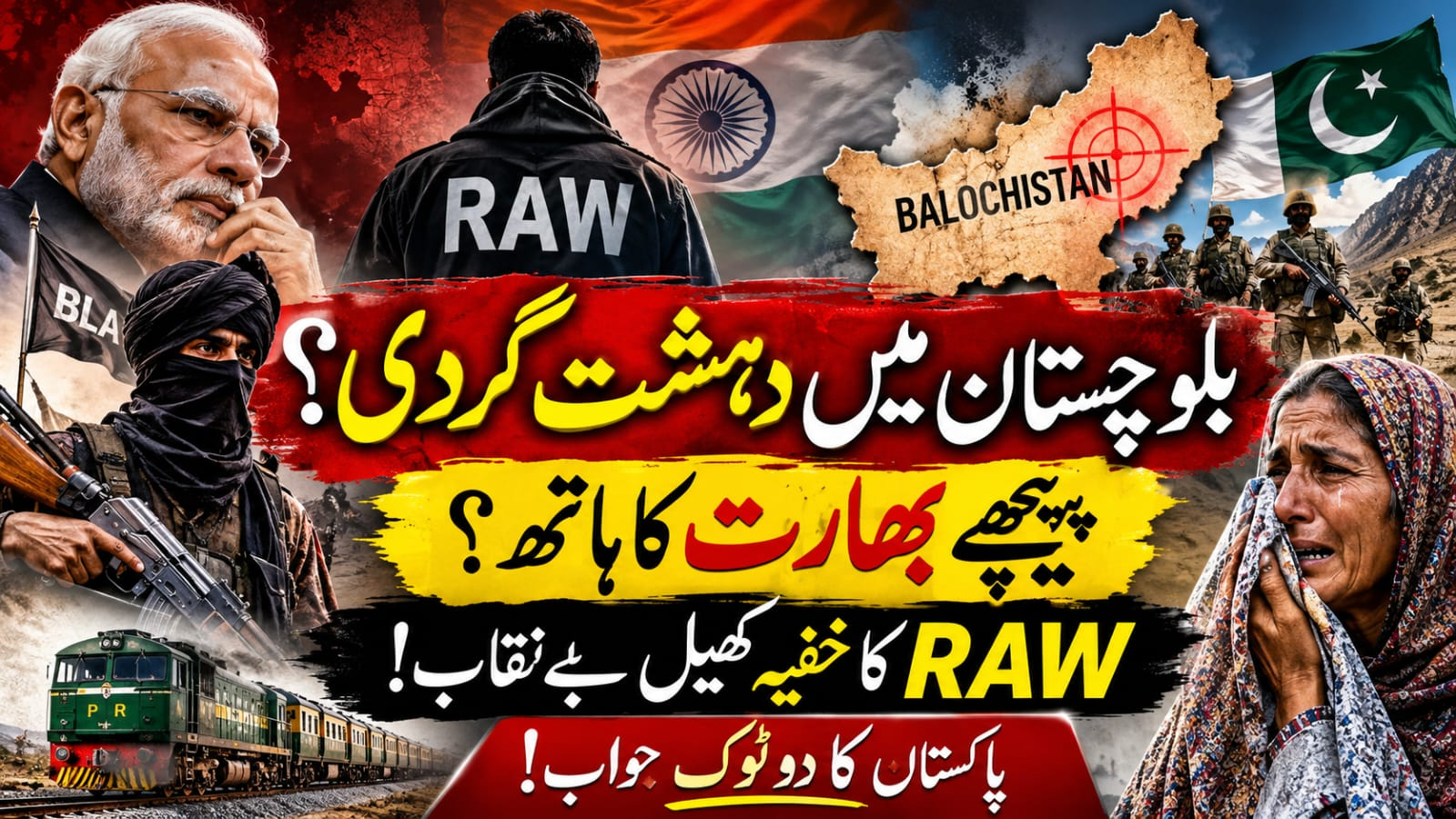
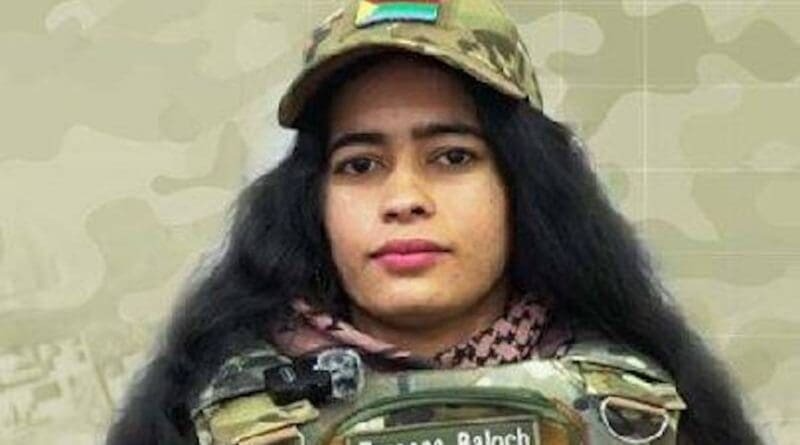
The situation becomes even more concerning when examining suicide attacks. PIPS recorded eight suicide attacks in Balochistan during 2025, including four claimed by the Balochistan Liberation Army (BLA) and one by the Balochistan Liberation Front (BLF). Both organizations used female suicide attackers. These developments demonstrate that women have become part of the operational strategies of militant groups. Such involvement should be examined as a security concern rather than portrayed as evidence of political empowerment.
The April 26, 2022, Karachi University bombing provides another significant example. Reuters reported that Shari Baloch carried out the suicide bombing claimed by the BLA, killing three Chinese teachers and a Pakistani driver at the university’s Confucius Institute. The attack demonstrated the devastating consequences of militant recruitment, targeting civilians and undermining Pakistan’s educational, economic and international partnerships. It should not be conflated with women’s empowerment or legitimate political participation.
A major weakness in the original report is its tendency to place women’s political participation and their involvement in terrorism within the same narrative of growing political influence. Participation in political movements, public demonstrations and peaceful activism represents a different form of engagement from involvement in armed operations. These categories must be assessed separately. The political visibility of women cannot automatically be interpreted as evidence of support for armed separatist organizations, nor can militant groups claim to represent the wider population of Balochistan without credible evidence.
The report itself acknowledges that the BLF’s claims regarding its internal councils and women’s representation could not be independently verified. This limitation raises important questions about the reliability of its conclusions concerning organizational representation and public acceptance. Statements issued by an armed organization about its internal structure, consultation mechanisms and political legitimacy cannot independently establish its democratic character or popular support. Such claims require independent verification and should be treated as the organization’s own narrative rather than established facts.
The report also appears to draw an unjustified connection between public participation and social acceptance of militant activities. Participation in political demonstrations does not automatically indicate support for armed separatism. Similarly, the absence of organized public opposition to women’s recruitment into militant groups cannot reasonably be interpreted as widespread social approval. Public opinion across Balochistan requires representative surveys, independent field research and engagement with communities across the province. Without such evidence, claims of widespread public acceptance remain inconclusive.
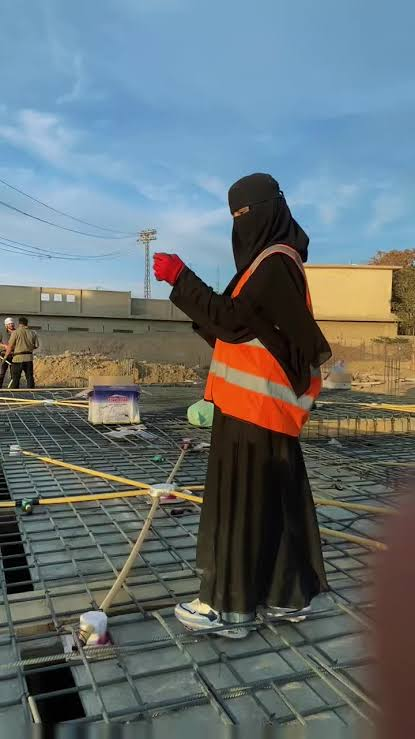
The participation of women in armed operations should not be confused with gender equality or social progress. Genuine empowerment means access to education, employment, political representation, economic independence and protection from exploitation and violence. It should be measured through women’s contributions to society and their opportunities to shape public policy, not through their involvement in suicide attacks or militant recruitment networks.
Pakistan’s constitutional framework provides a foundation for women’s participation in national life. Article 9 protects life and liberty in accordance with law; Article 16 guarantees peaceful assembly subject to lawful restrictions; Article 17 protects freedom of association subject to constitutional limitations; and Article 25 establishes equality before the law and prohibits discrimination on the basis of sex. Article 34 further directs the state to ensure women’s full participation in national life.
Furthermore, the National Counter Terrorism Authority (NACTA) identifies the BLF as a proscribed organization, with its proscription notified on September 8th , 2010. This legal status is significant: an organization’s claim to represent a political cause does not exempt it from Pakistan’s counterterrorism laws or legitimize its use of violence.
Pakistan’s response to Terrorism must remain be firm, professional and consistent with the rule of law. The state has a constitutional responsibility to protect its citizens, public institutions and territorial integrity. At the same time, effective counterterrorism requires public confidence, transparent institutions and serious attention to legitimate grievances.
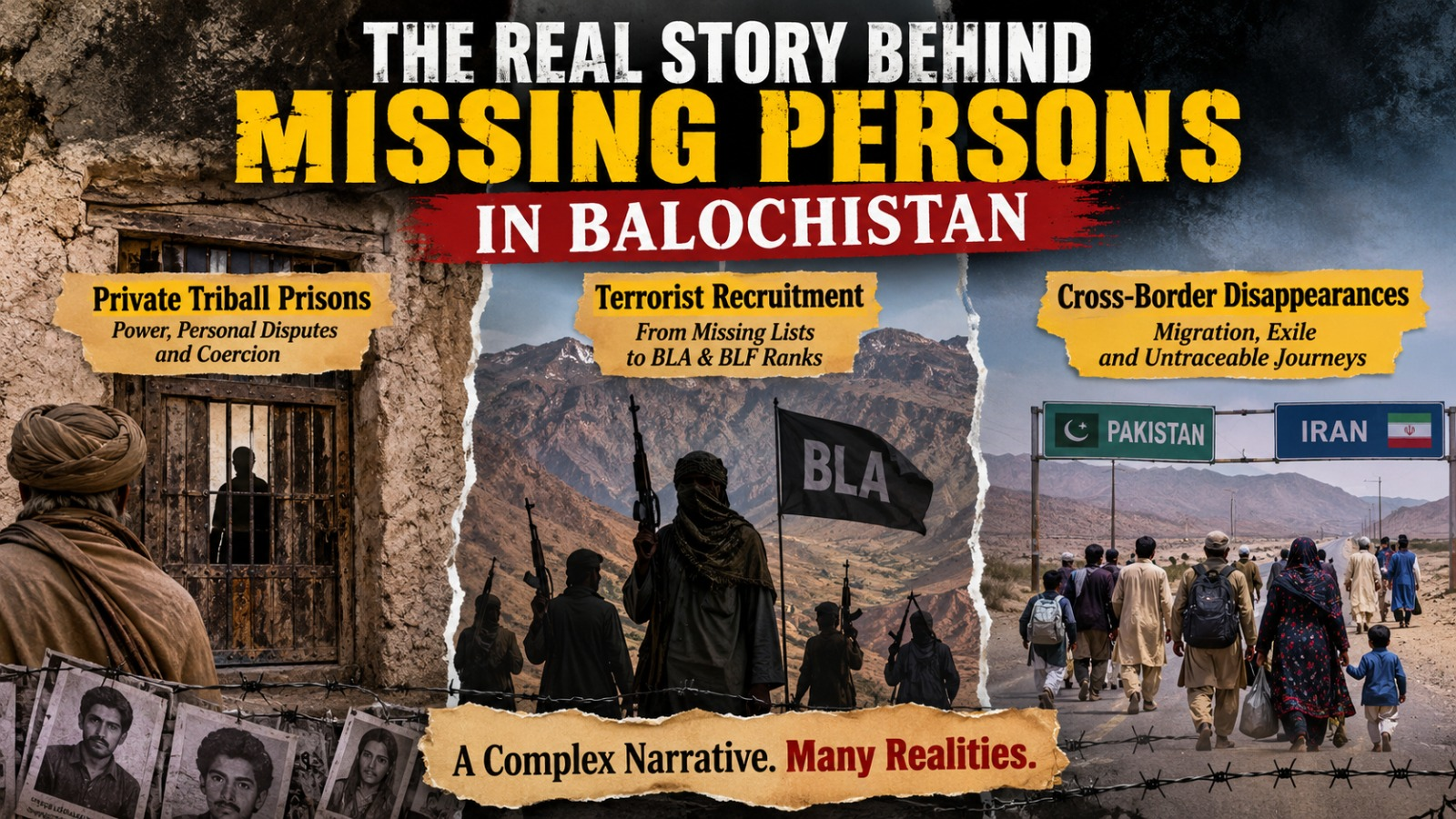
The issue of missing persons illustrates the importance of institutional accountability. According to the Government of Pakistan’s October 3rd, 2025, announcement, the Commission of Inquiry on Enforced Disappearances had received 10,636 cases nationally since March 2011. Of these, 8,986 had been disposed of, representing 84.48 per cent, while 1,650 remained under investigation. The Commission also reported that 14 missing persons returned home during September 2025. These are nationwide figures, not Balochistan-specific statistics. Moreover, the disposal of a case should not automatically be interpreted as proof that every concern raised by an affected family has been satisfactorily resolved. Cases requiring further investigation must continue to receive transparent institutional attention.
The state must distinguish between peaceful activists and individuals credibly implicated in terrorist activities. Allegations of unlawful conduct must be investigated, due process upheld and accountability ensured. This approach reinforces institutional legitimacy and prevents militant organizations from exploiting public grievances.
Lastly, Balochistan’s future cannot be determined by the recruitment strategies or political claims of armed organizations. The evidence of attacks, casualties and violence against civilians demonstrates the serious consequences of terrorism for the province and the country. Pakistan must continue to counter terrorism while expanding political inclusion, economic opportunities, education and institutional accountability.
Peaceful dissent must be respected, genuine grievances addressed and the rights of all citizens protected. However, violence cannot be legitimized through political narratives, and militant recruitment cannot be presented as women’s emancipation. Baloch women deserve leadership positions in universities, public institutions, businesses, political parties and policymaking forums. Their contributions should be reflected in their achievements, leadership and role in building a prosperous society.
Ultimately, a peaceful, prosperous and secure Balochistan is not merely a national security objective; it is a responsibility the state owes to every citizen. Pakistan’s strength lies in upholding its sovereignty through constitutional governance, public trust, development and the rule of law. The future of Balochistan lies in meaningful political participation and equal opportunities for its people not in violence and terrorism.