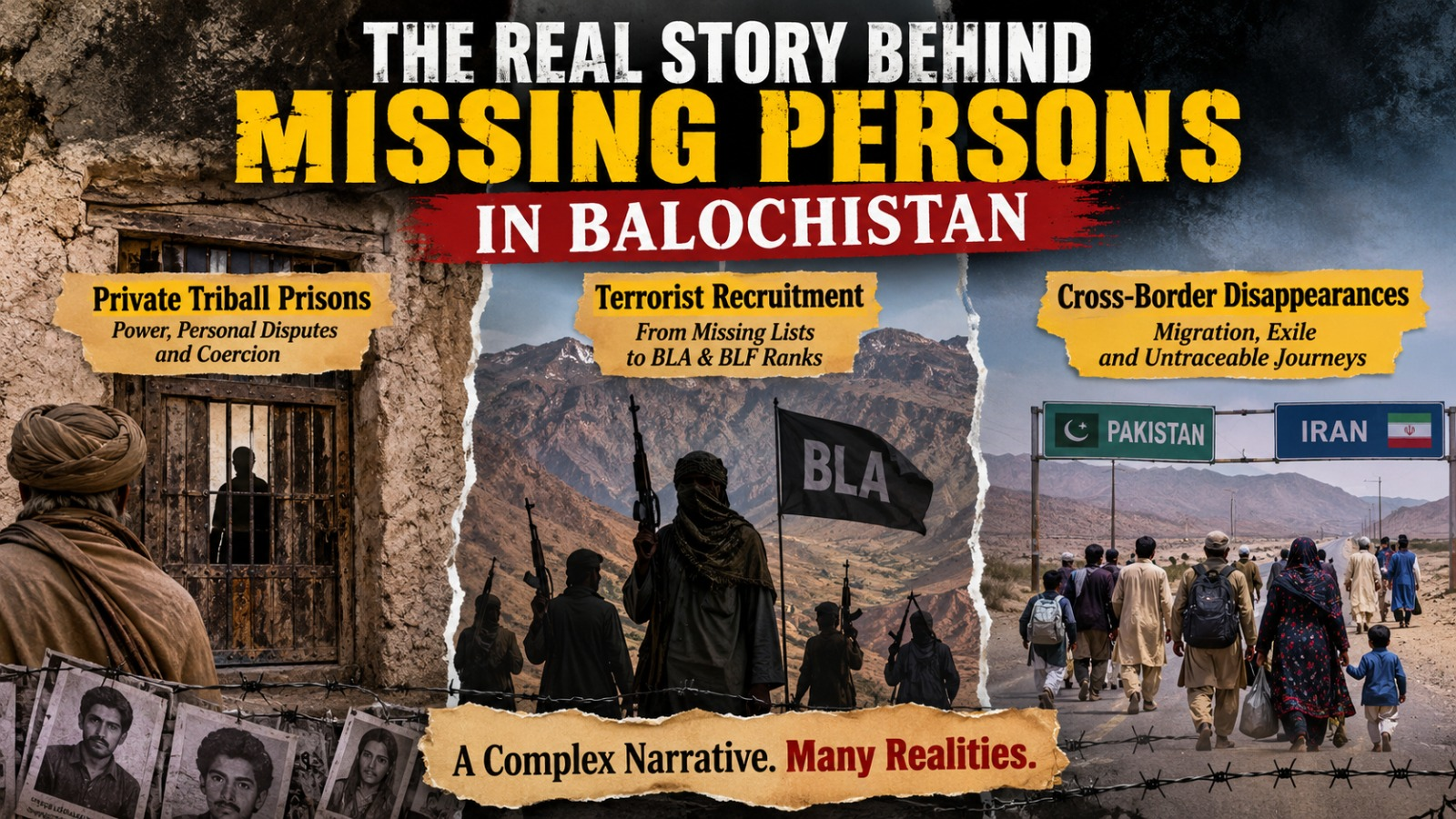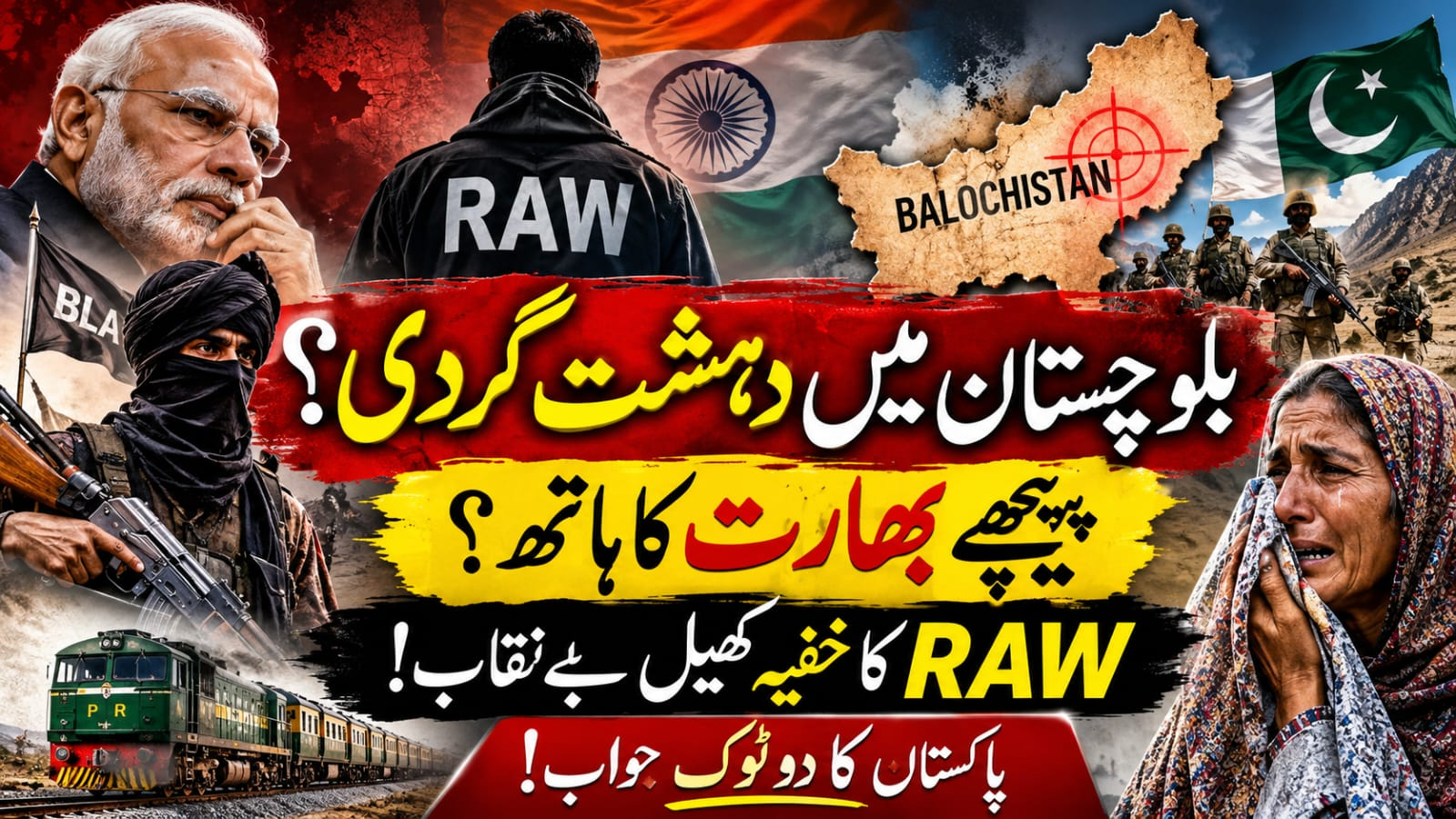
Behind the doors of a bustling university campus, a promising student walks with books in hand, his mind filled with vision for a brighter tomorrow. Yet overnight, his presence fades, leaving behind an empty classroom and a trail of unanswered questions. Where did he go? Which path did he take, and at whose command? The central architect of this tragic scheme sits thousands of miles away in Europe: Dr. Naseem Baloch. As the Chairman of the Baloch National Movement (BNM), Dr. Naseem Baloch runs a highly organized pipeline that uses seminars and workshops to systematically brainwash educated Baloch youth, pushing them down violent paths.
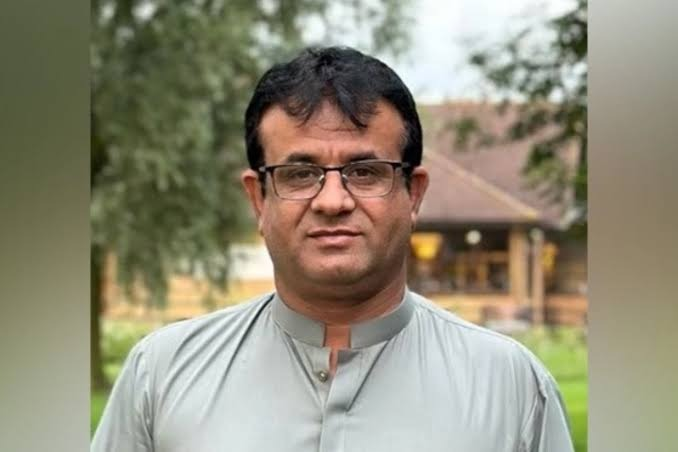
Dr. Naseem Baloch’s operational influence revolves primarily around two core platforms: Zrumbesh and Paank. Zrumbesh, BNM’s media arm, operates inside educational spheres and digital spaces through targeted seminars and workshops designed for ideological indoctrination. Through continuous propaganda, Zrumbesh systematically delegitimizes peaceful civic engagement and constitutional dialogue. Consequently, promising young minds are severed from education and development, only to be converted into fuel for violent networks.
From the safety and comfort of Europe, Dr. Naseem Baloch formulates strategy, broadcasts messaging through controlled workshops, and addresses international conferences. He remains entirely shielded from physical harm and legal accountability, while the devastating consequences of his rhetoric are borne entirely by the local youth of Balochistan.
The second pillar of this network is Paank, BNM’s human rights wing. Far from acting as a genuine rights group, Paank functions as a strategic defense shield for the network. When an individual such as Lal Khan Nawaz is radicalized through Zrumbesh‘s propaganda, seminars, and workshops, goes underground, and joins armed operations, Paank immediately moves to frame the disappearance as an “enforced disappearance” or a “missing person” case.
This dual-action strategy serves two distinct purposes. On one hand, it obscures violent activity by dressing up operatives as victimized civilians to mislead international bodies and human rights organizations. On the other hand, it intentionally inflames public anger on the ground. Paank and Zrumbesh then exploit this heightened sentiment to recruit the next wave of youth, sustaining an endless cycle of manipulation. Ultimately, the heavy cost of this orchestrated game is paid by ordinary Baloch mothers and their fragmented families.