Balochistan’s struggle for peace and stability faces two distinct but serious security challenges: religiously motivated terrorism and ethno-nationalist terrorism. Both have contributed to violence, insecurity and disruption of civilian life, although their ideological foundations differ. The historical Khawarij mindset provides an important way to understand how religious extremism can be used to justify rebellion against lawful authority, while the activities of the Balochistan Liberation Army (BLA) demonstrate how extremist narratives can also be exploited to legitimize terrorist violence. Neither religious extremism nor extremist ideology offers a solution to Balochistan’s challenges.
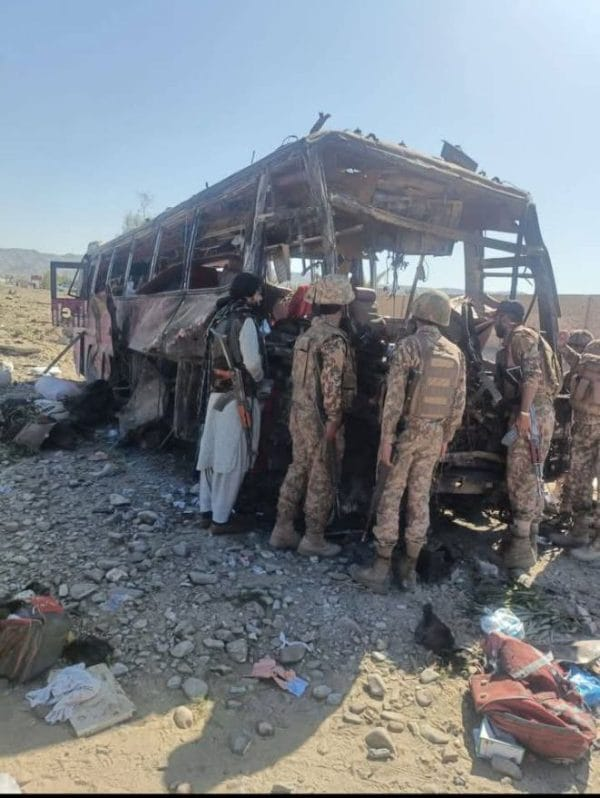
Historically, the Khawarij emerged during the caliphate of Hazrat Ali (RA), following the Battle of Siffin and the controversy over arbitration in 657 CE. They developed an uncompromising religious interpretation that treated disagreement with their beliefs as grounds for declaring other Muslim’s disbelievers, a practice known as takfir. Their rejection of established authority and justification of violence created a dangerous ideological foundation for rebellion. Today, the term Khawarij is frequently used in Pakistan to describe religiously motivated terrorist extremists, particularly the Tehreek-e-Taliban Pakistan (TTP), whose ideology promotes armed violence against the Pakistani state. Such terrorist organisations exploit religious sentiments, spread extremist propaganda and manipulate vulnerable individuals into believing that violence is a religious obligation. Islamic State Khorasan Province (ISKP) similarly promotes an extremist ideology that rejects existing political and religious authorities.
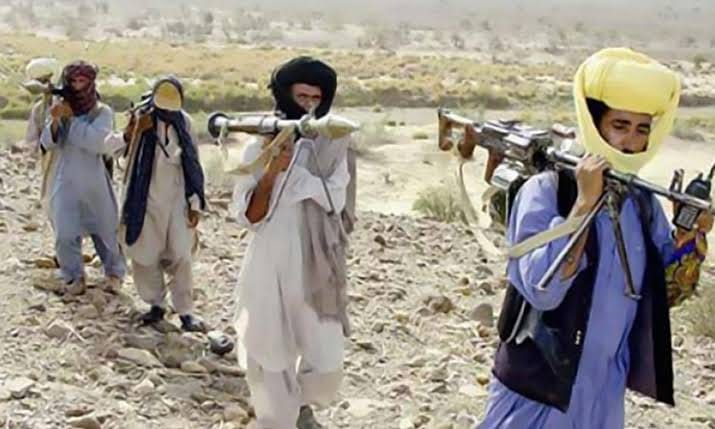
In Balochistan, these terrorist organisations threaten communities through attacks on security personnel, religious gatherings, public institutions and innocent civilians. Their strategy extends beyond physical violence. The terrorist propaganda attempts to weaken public confidence in state institutions, create fear and encourage ideological hostility. Their recruitment methods can involve radicalization through terrorist networks, online propaganda, personal grievances and coercion. By portraying the state as an enemy of their ideological beliefs, these organisations attempt to legitimize terrorism and undermine national cohesion.
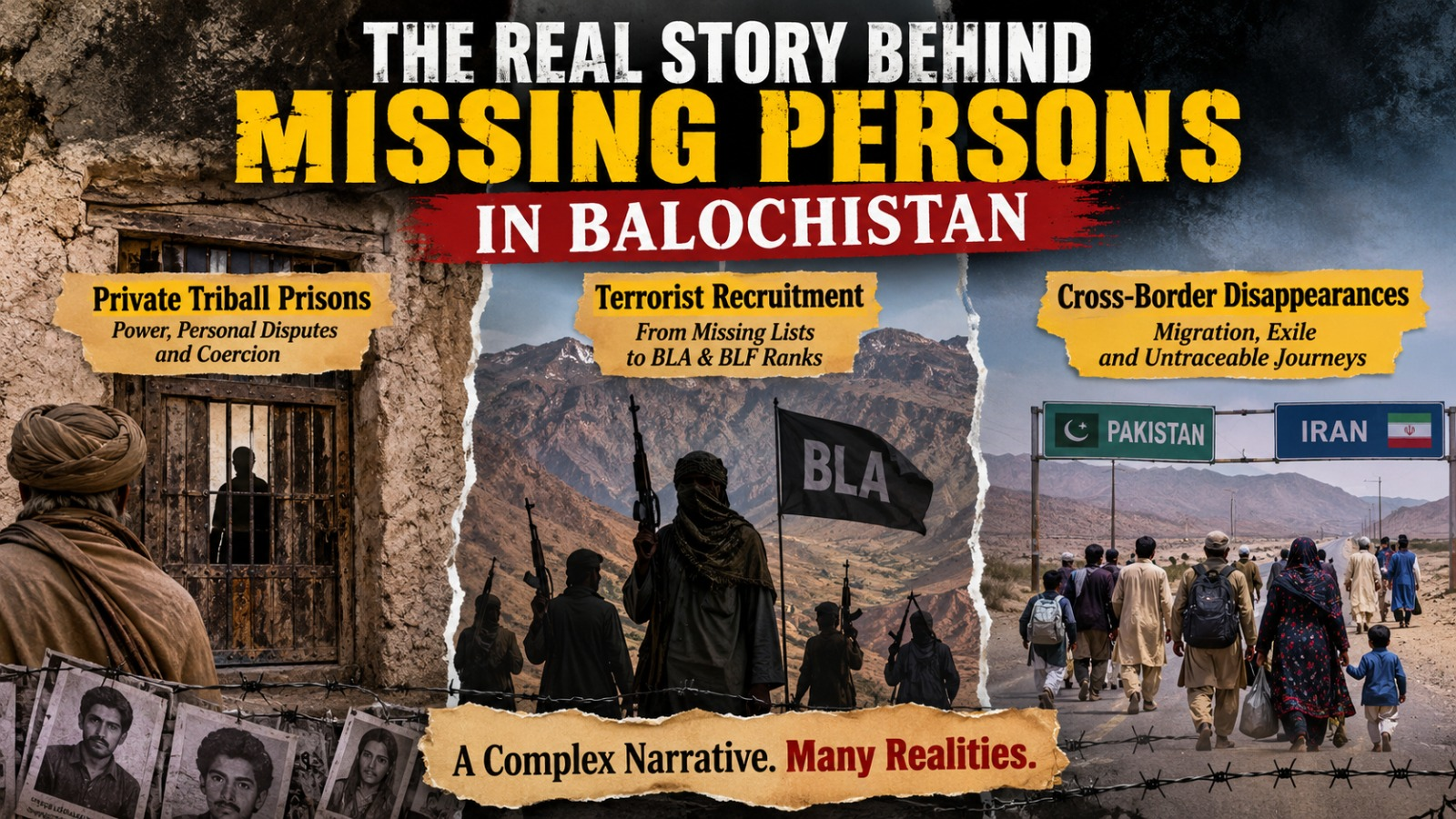
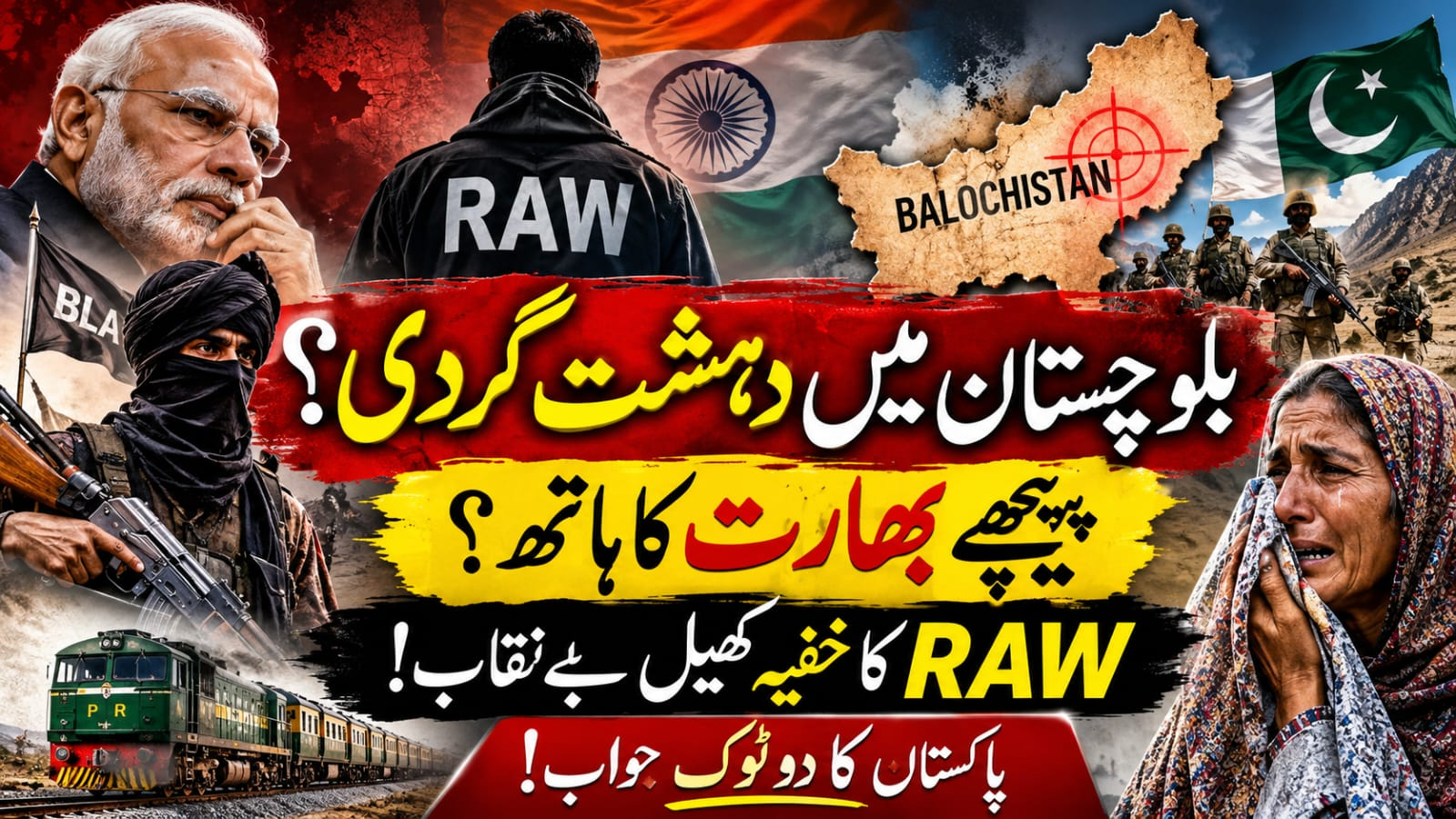
Meanwhile, the BLA represents a different security challenge. Its extremist ideology is rooted in ethno-nationalist claims. Nevertheless, its terrorist activities have resulted in devastating attacks against civilians, security personnel and public infrastructure. The March 2025 Jaffar Express attack, in which passengers were taken hostage and innocent lives were lost, exposed the destructive consequences of terrorism. Attacks on labourers, transport networks, development projects and security installations further threaten ordinary citizens. No political grievance can justify targeting unarmed civilians or turning public transportation into a scene of terrorism.
However, defeating terrorism requires more than security operations. Balochistan’s concerns regarding education, employment, political representation, missing persons and equitable distribution of natural resources deserve meaningful institutional attention. Ignoring these issues creates opportunities for terrorist organisations to exploit public frustration, spread anti-state narratives and expand their recruitment networks. The state must combine effective counterterrorism measures with justice, transparent investigations, constitutional protections and inclusive development.
Pakistan’s Constitution provides the foundation for this response. Article 5 establishes loyalty to the State and obedience to the Constitution and law as obligations of citizens. Paigham-e-Pakistan also rejects terrorism, unlawful armed rebellion and the misuse of religion to justify killing.
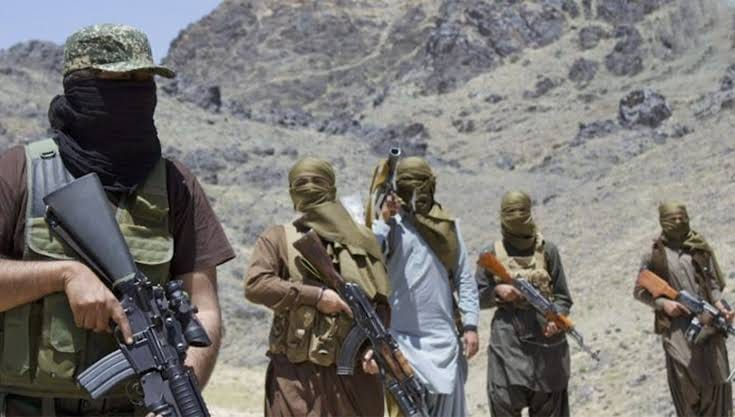
Ultimately, Balochistan deserves peace, representation and development, not competing terrorist ideologies. Whether violence is justified through religious extremism or separatist nationalism, its victims are ordinary citizens. The future of Balochistan lies in constitutional participation, national cohesion and peaceful political engagement, not terrorism, radicalization or violence against the State.