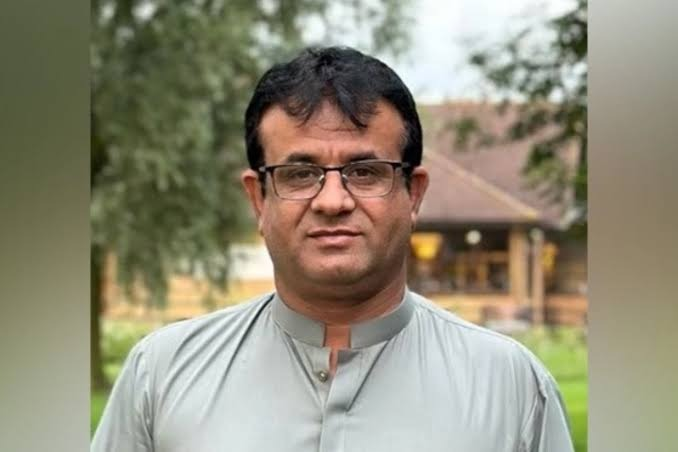
Manahil Hameed’s work as an electrician offers a different way to think about development: not only as roads and buildings, but as the skills that help people solve everyday problems and build livelihoods.
Development is often measured in kilometres of road, new buildings or public projects. But it also happens in quieter moments: when a young person learns a practical skill, earns a customer’s trust and turns that skill into a source of work.
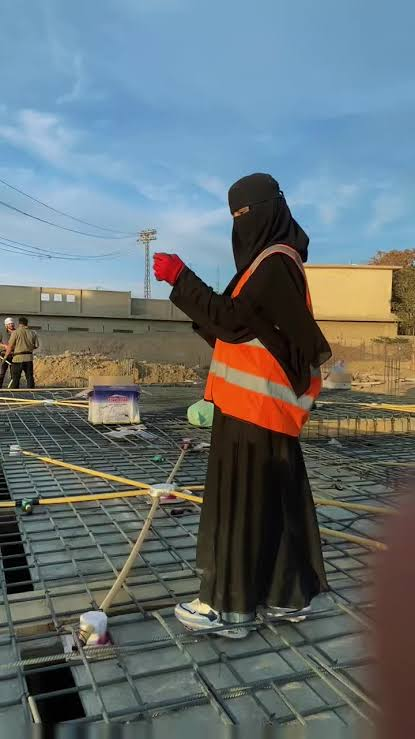
In Balochistan, Manahil Hameed is bringing that kind of change to a profession long associated with men. Trained as an electrician, she established a women-led electrical business and is encouraging other women to enter technical work. Her journey began with technical and business training through a programme supported by the Schneider Electric Foundation.
An electrician’s work is practical and often unseen until something stops working. A faulty connection, a darkened room or an unreliable appliance can interrupt daily life. The person who repairs it does more than restore power, they restore a household’s ability to carry on with its routine.
Manahil’s presence in this field also changes who people might imagine doing the work. Her business offers a new example for girls considering careers beyond the occupations usually expected of them. The significance lies not only in being first, but in making it easier for someone else to imagine being next.
That is where a personal achievement can become part of a wider economic story. A trained worker can serve customers, an entrepreneur can organise a business, and a business that creates room for other women can help extend the benefits of training. Hameed has said she wants to provide employment opportunities for women and encourage them to pursue technical careers.
Balochistan needs skilled workers across many fields. A GIZ Pakistan labour-market assessment has highlighted demand for skilled labour in the province, alongside women’s low representation in skilled jobs. Hameed’s example points to one practical response, connect training to real work, and support people as they move from learning a trade to earning through it.
The next measure of success will be whether more women can access training, tools, customers and professional networks and whether businesses like ElectroWise can offer them a lasting route into work. That takes sustained effort from training providers, employers, communities and public institutions.
For now, Manahil’s story offers a different picture of progress in Balochistan, a woman with technical knowledge, a business to build and a trade once thought to belong to someone else. Sometimes change begins with a major project. Sometimes it begins with someone learning how to fix the lights and showing others that they can, too.