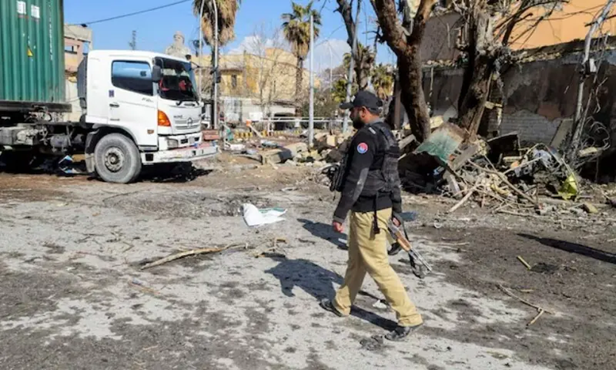
There is something deeply revealing about the fact that terrorists chose a dam as their target. Not a military installation. Not a strategic checkpoint. A water project. A Rs 20 billion infrastructure investment designed to solve the drinking water crisis that, according to technical studies, could leave Quetta’s residents without adequate supply within three to four years if the project misses its revised August 14 deadline. When you understand what was being protected at Mangi Dam and why the policemen stationed there fought to their last breath, the political manipulation that followed the attack becomes even more unconscionable.
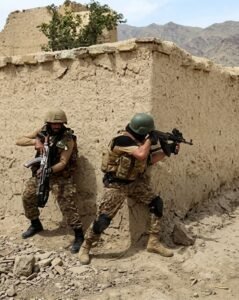
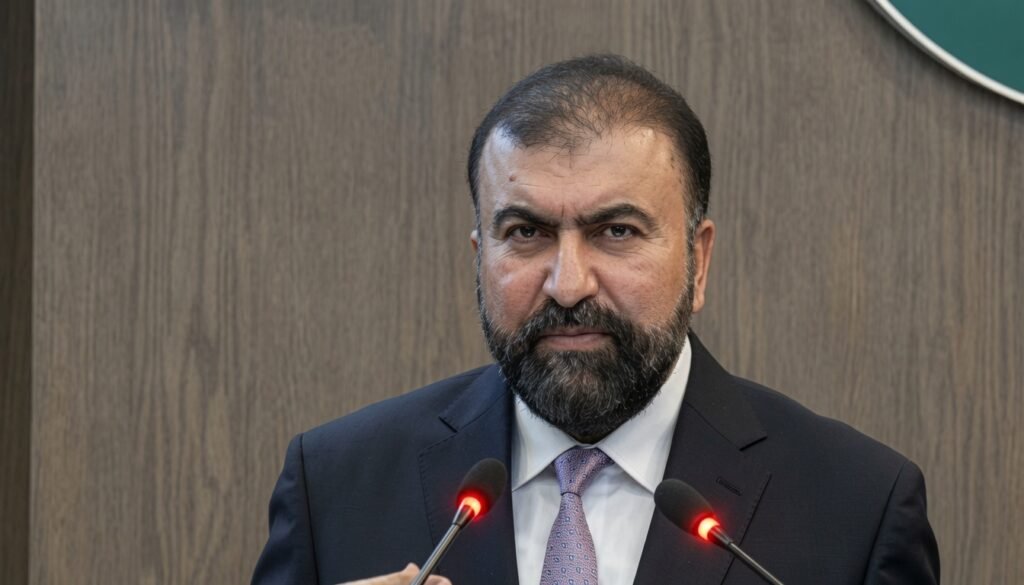
Chief Minister Sarfaraz Bugti addressed the nation on this reality with the clarity it deserved. More than thirty policemen defended the pumping station with exceptional bravery against a coordinated terrorist assault. A reinforcement team sent to support them was ambushed en route. These men died protecting the water supply of a city of over four million people. They were local officers from Balochistan guarding a project that exists entirely for the benefit of Balochistan’s own population.
The TTP claimed responsibility. That is the terrorist organization’s own public statement. The claim of responsibility was issued, documented, and reported. And yet, as Bugti noted with evident sorrow, certain political figures immediately began circulating among Pashtun youth the allegation that the attack had been carried out by the state itself. Let that sink in. While the families of martyred policemen were receiving news of their sons and husbands, political voices were telling young people that those same policemen’s institution had killed them.
This is a deliberate conspiracy to manufacture distrust among Pakistan’s youth at the precise moment when national unity is the only thing capable of defeating an externally sponsored terror campaign. Bugti was direct about the source of that campaign. TTP, BLA, and their affiliated networks receive support from RAW and continue to use Afghan territory as operational sanctuary in violation of the commitments made under the Doha Agreement. His call on Afghan interim authorities to honor their obligations is both legally grounded and diplomatically appropriate. Pakistan has sovereign rights and international legal standing to demand that its neighbor stop providing sanctuary to groups actively killing Pakistani citizens.
The Chief Minister also drew a line that needed drawing publicly and without ambiguity. The provincial government has engaged political parties in dialogue and remains committed to peaceful resolution of political disputes. But there will be no negotiations with armed groups waging war against Pakistan. This is not a hardline posture. It is the standard position of every functioning state on earth. No government negotiates the terms of its own dismemberment with groups whose explicit objective is violent separatism. Framing the refusal to do so as evidence of state repression is itself part of the information warfare campaign that Bugti identified.
Every martyr from the Mangi Dam attack was someone’s son, husband, and father. Their sacrifice was made not for abstract state power but for the water that will flow to Quetta’s homes, hospitals, and schools. Politicizing that sacrifice to mislead youth and weaken national resolve is perhaps the most morally bankrupt act in an already crowded field of bad-faith actors.
Balochistan is moving forward. The dam will be completed. The martyrs will be honored. And no conspiracy, domestic or foreign, will separate this province from the Pakistan whose future it is inseparable from. Chief Minister of Balochistan Sarfaraz Mir Bugti was very clear in his approach.