
The swift foil of a coordinated terrorist assault on the Bhag Nari Police Station in Kachhi district stands as a remarkable testament to the bravery and vigilance of provincial law enforcement. Occurring in the early hours of September 4, the decisive counter-action by Balochistan Police, reinforced by the Pakistan Army and Frontier Corps, successfully eliminated three-armed terrorists and repelled an attempt to overrun a critical government facility. Unlike remote wilderness operations that focus on hunting terrorist cells in distant hideouts, this incident brought the realities of asymmetric warfare directly to an urban threshold. The immediate, tactical defense mounted by the police personnel at the entry points of Bhag city ensured that a potentially catastrophic raid was intercepted before the attackers could cause widespread devastation, capture state assets, or inflict civilian casualties.
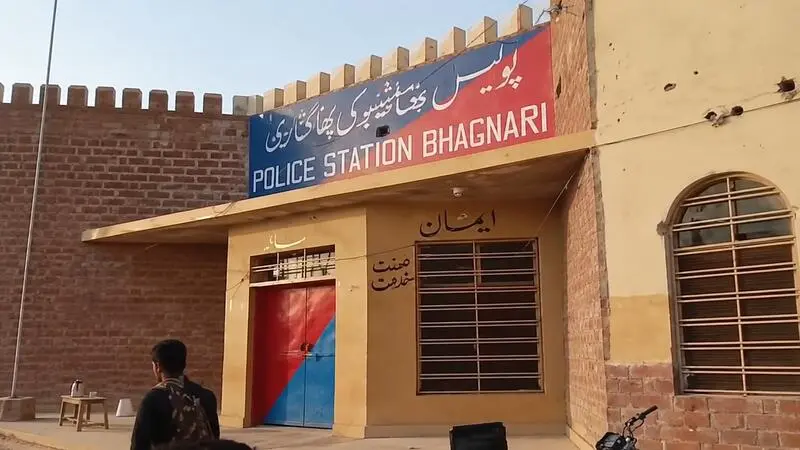
This thwarted attack highlights the fundamental role played by law enforcement agencies as the primary line of defense in Pakistan’s broader counterterrorism framework. For years, police stations and municipal offices in outlying districts have faced persistent vulnerabilities, often serving as soft targets for terrorist groups seeking symbolic victories and public panic. The successful defense of Bhag Nari demonstrates a tangible improvement in intelligence sharing, operational readiness, and response times among civil security forces. By holding their ground during the initial assault, police officers prevented the terrorists from establishing a foothold in the city center, proving that local law enforcement capacity has evolved into a formidable barrier against terrorist encroachment across central Balochistan.
Equally significant was the spontaneous surge of public support that followed the engagement. As local residents gathered outside the Bhag Police Station to rally alongside security personnel, a clear social message emerged from the heart of Kachhi district. Public repudiation of violence and vocal alignment with state institutions strike at the very core of terrorist strategy, which relies heavily on terrorizing local populations into silence or compliance. When communities actively back law enforcement during and immediately after an assault, it signals a profound breakdown in the terrorist narrative. This organic unity between citizens and the police serves as an essential psychological deterrent, reinforcing the state’s legitimacy and depriving violent networks of the local tolerance they desperately require to operate.
While the neutralization of the attackers in Bhag represents a clear operational success, it also underscores the continuous security pressures facing the region. Recent violent incursions across the Sibi-Nasirabad belt indicate that anti-state elements remain determined to disrupt public order but state agencies are determined to eliminate any threat presented to them by these terrorists. Tactical bravery must be matched by continuous institutional capability to ensure that every police post remains an impenetrable fortress. Ultimately, the defense of Bhag demonstrates that when vigilant law enforcement and determined local communities stand united, violent extremism can be decisively confronted and defeated.