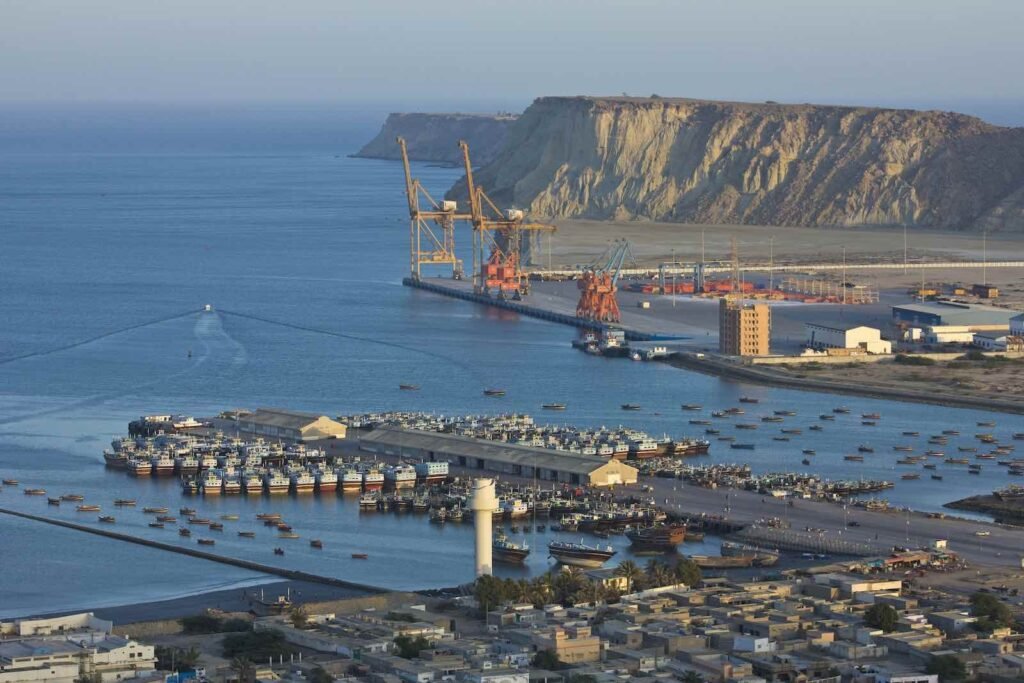
Balochistan has often been discussed through the language of security and underdevelopment. Last week’s decision by the provincial cabinet to approve a proposed $14 billion tri-state gas terminal at Gwadar offers an opportunity to reframe the province as an economic gateway rather than merely a security challenge. If implemented successfully, the project could become one of the most consequential energy infrastructure investments in Pakistan’s history. However, its long-term success will depend less on engineering and more on governance, transparency and local inclusion.
Gwadar’s strategic importance has never been in doubt. Situated near the Strait of Hormuz, through which nearly one-fifth of global oil supplies pass, the port occupies one of the world’s most significant maritime locations.
It already forms the maritime anchor of the China-Pakistan Economic Corridor (CPEC), while its geography places it at the intersection of South Asia, Central Asia and the Middle East. A large-scale gas terminal further strengthens Gwadar’s potential to evolve into a regional energy and logistics hub.
The proposed investment, reportedly backed by Turkmenistan, also reflects an emerging reality of regional connectivity. Central Asian states have long sought diversified export routes beyond traditional markets. Pakistan, for its part, continues to face recurring natural gas shortages that constrain industrial production, electricity generation and household consumption.
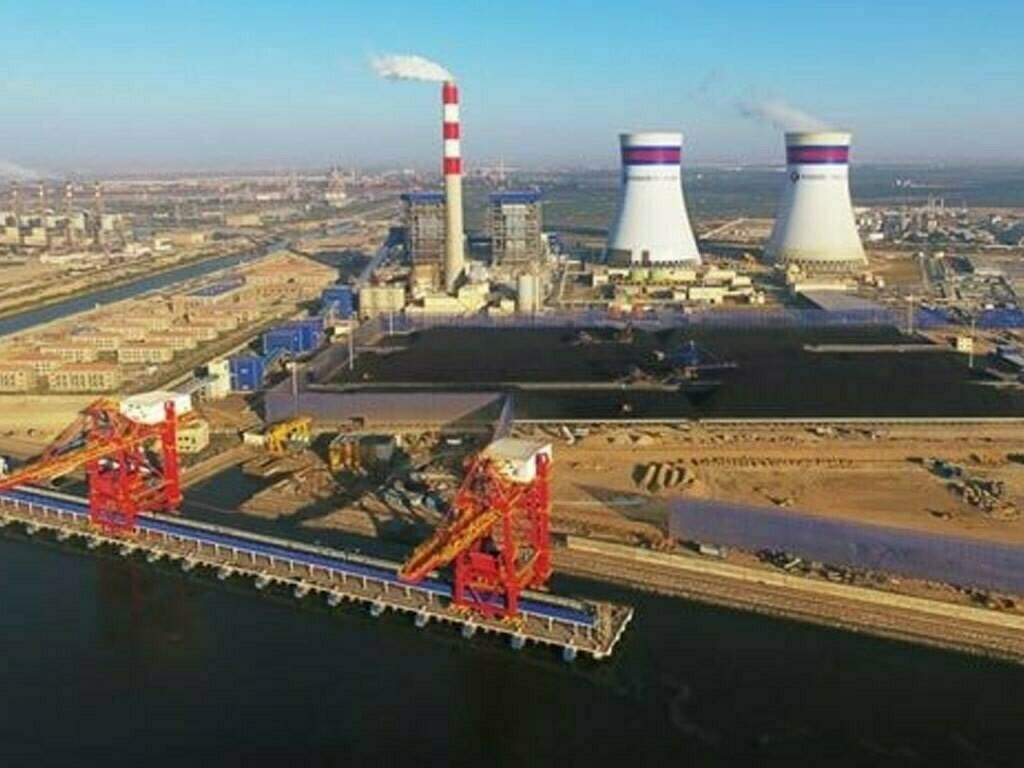
A modern gas terminal capable of facilitating imports, storage and onward distribution therefore addresses both regional commercial interests and Pakistan’s domestic energy requirements.
Equally significant is the provincial government’s insistence that Balochistan’s rights be protected throughout the project. This is perhaps the most important element of the cabinet’s decision.
Large infrastructure projects have frequently generated criticism because local communities often perceive that they bear the social and environmental costs while receiving only limited economic benefits. Such perceptions, whether fully justified or not, have contributed to mistrust in several development initiatives across the province.
Ensuring meaningful provincial participation is therefore not simply a political necessity but an economic one. Local employment opportunities, vocational training, business participation, royalty arrangements and transparent revenue-sharing mechanisms should become integral components of the project rather than afterthoughts. Development that excludes local stakeholders ultimately weakens the very stability required for long-term investment.
The cabinet’s announcement that the terminal will supply natural gas to Gwadar, Panjgur, Chagai and Washuk also deserves attention. Infrastructure projects achieve their greatest legitimacy when surrounding populations experience tangible improvements in daily life.
Reliable energy access can stimulate industrial growth, improve public services, attract private investment and raise living standards in districts that have historically faced limited infrastructure development.
At the same time, optimism should be tempered by realism. Pakistan has witnessed numerous ambitious infrastructure announcements that have progressed slowly due to financing constraints, bureaucratic delays and shifting political priorities.
A $14 billion investment represents an enormous undertaking requiring sustained financial commitments, regulatory certainty and close coordination between federal authorities, provincial institutions and foreign partners. Timelines and implementation mechanisms will therefore be just as important as political announcements.
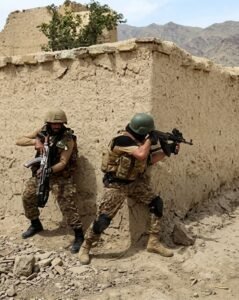
Security also remains an unavoidable consideration. Balochistan continues to face attacks targeting infrastructure, security personnel and development projects. Investors naturally evaluate political stability alongside commercial opportunity. Protecting strategic infrastructure while ensuring that security measures do not alienate local communities will remain one of the project’s greatest governance challenges.
The broader package approved by the provincial cabinet suggests an encouraging recognition that development extends beyond physical infrastructure. Scholarships for workers’ children, investment in child protection, educational reforms, road construction, municipal upgrades and strengthening the Safe City project all point toward a more comprehensive development approach.
Economic corridors cannot succeed in isolation from human development. Roads, ports and pipelines ultimately derive their value from educated populations, functioning institutions and effective governance.
Gwadar itself has often become symbolic of Pakistan’s broader development ambitions. Supporters view it as the country’s future maritime and commercial gateway capable of transforming regional trade. Critics argue that expectations have frequently outpaced implementation.
Both perspectives contain elements of truth. The port possesses undeniable strategic potential, but realizing that potential requires sustained institutional performance rather than symbolic announcements.
The proposed gas terminal should therefore be understood not merely as another infrastructure project but as a test of Pakistan’s development model. Can large-scale strategic investments produce inclusive economic growth? Can provincial rights be effectively safeguarded while attracting international capital? Can security and development reinforce rather than undermine one another? These questions will determine whether Gwadar becomes a genuine regional energy hub or another unrealized promise.
For Balochistan, the stakes are particularly high. The province possesses abundant natural resources and occupies one of South Asia’s most strategically significant locations, yet many of its communities continue to experience limited economic opportunities. Successfully integrating local populations into major development initiatives could gradually reshape both economic prospects and public confidence.
The cabinet’s emphasis on protecting provincial rights offers an encouraging starting point. However, these commitments must be translated into transparent contracts, accountable institutions and measurable outcomes. Local communities should not simply observe development; they should become active participants and beneficiaries.
Infrastructure alone cannot solve complex political and economic challenges, but it can provide the foundation upon which broader prosperity is built. If managed with transparency, inclusivity and long-term planning, the Gwadar gas terminal could strengthen Pakistan’s energy security, deepen regional connectivity and create new opportunities for Balochistan’s people.
The true measure of success will not be the project’s price tag or its geopolitical significance. It will be whether the benefits reach the people living closest to it. That is ultimately how strategic infrastructure earns both legitimacy and lasting value.