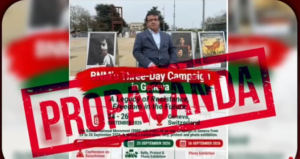
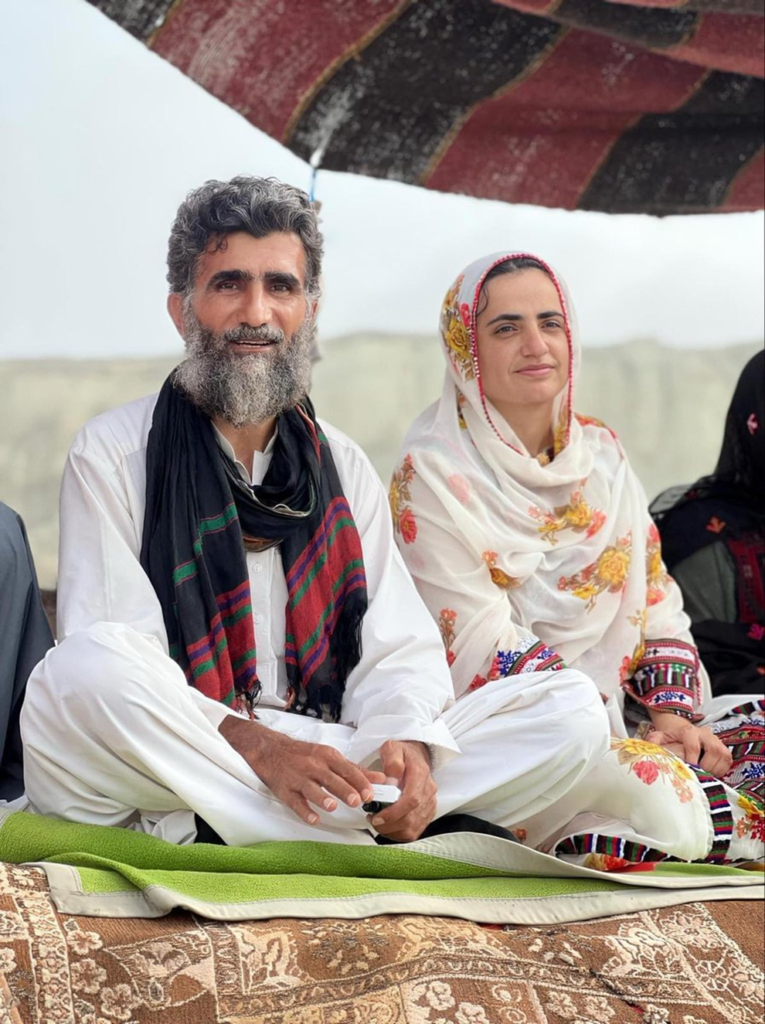
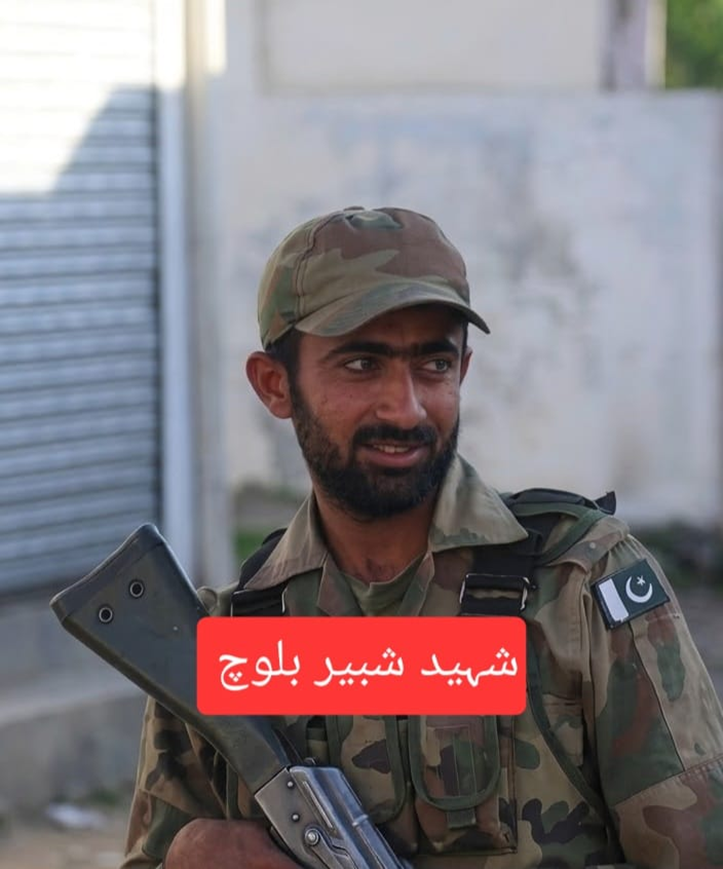
Two years on since the Baloch Yakjehti Committee killed the Sepoy Shabbir Ahmed Baloch. The same Shabbir Baloch who was martyred after Mahrang Baloch ignited the crowd with her hate speech and Sibghatullah Shahjee who was himself involved in the murder. BYC issues a statement calling this barbaric act on July 28, 2024 as a symbol of resistance and an unbroken spirit. The statement is written perfectly to manipulate people. It mentions, oppression and injustice but didn’t mention the oppression carried out on Sepoy Shabbir Baloch and justice that was delivered to his family which his family acknowledged in front of everyone. BYC mourns the imprisonment of Mahrang Baloch and Sibghatullah Shahjee but deliberately turned away the attention from the actual victim.
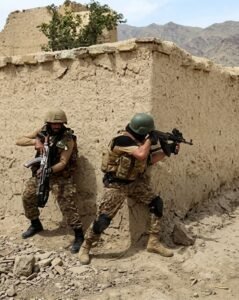
Shabbir Ahmed was an FC soldier. He was a young Pakistani man in uniform, present at the Baloch Raaji Muchi gathering in Gwadar on July 28, 2024, as part of a security deployment managing protest. He was not there to oppress anyone. He was there because that is what soldiers do: they stand between crowds and chaos, between events and the violence that can consume them. On that day, a mob incited by the speeches being delivered at the gathering charged at the FC vehicle near the demonstration site. In the violence that followed, Shabbir Ahmed was martyred.
He had a family. He had a life. He had a name. BYC’s anniversary statement, which speaks so fluently about the voice of a nation, has no room for him.
The Anti-Terrorism Court in Quetta that convicted Dr. Mahrang Baloch and Sibghatullah Shahjee on June 22, 2026 did not convict them for holding opinions or organizing protests. It convicted them under Section 302(b) of the Pakistan Penal Code and Section 7 of the Anti-Terrorism Act 1997 in connection with the death of that soldier. The judgment established through the evidence placed before the court that Mahrang had delivered a speech characterizing state officials as occupiers in language that the prosecution demonstrated contributed to the incitement of the assembly, and that Shahjee was part of the crowd that charged at the FC personnel. The legal principle applied was common intention under Section 34 PPC, a well-established doctrine of criminal liability recognized across every common law jurisdiction in the world.
The accused boycotted the trial. They refused to participate in proceedings, declined to accept legal representation through the mechanisms the court provided, and then allowed their supporters to characterize the resulting conviction as evidence of judicial persecution.
BYC’s statement says that justice cannot be imprisoned. This is true and it is precisely why an Anti-Terrorism Court spent months examining the evidence of what happened on July 28, 2024 and delivered a verdict based on that examination. The justice system the statement invokes is the same system that held Mahrang Baloch and Sibghatullah Shahjee accountable for their role in the events that killed Shabbir Ahmed. That is justice functioning as it is designed to function.
The resistance narrative BYC is selling on this anniversary requires one central omission: that the gathering it romanticizes as a symbol of national unity ended with a Pakistani soldier dead, his family destroyed, and two individuals convicted of criminal liability for that death by a competent court of law. Every commemorative post, every anniversary statement, every invocation of unbroken resistance is built on the deliberate erasure of Shabbir Ahmed from the story of that day.
His name belongs in this conversation. His family’s grief is as real as anyone else’s. His death at the hands of a mob incited at a political gathering is not a footnote to July 28. It is the fact that defines what July 28 actually was.
BYC can mark the anniversary however it chooses. But the complete story of that day includes a soldier who did not go home, and no amount of resistance rhetoric changes what happened to him or who bears responsibility for it.