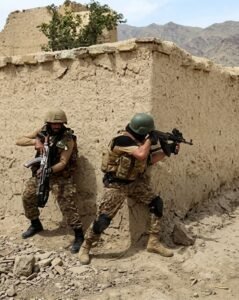
In contemporary geopolitical discourse, international commentary frequently fixates on high-visibility security incidents to paint an alarmist picture of Pakistan’s largest province. Narratives declaring Balochistan an inherently destabilized or unmanageable frontier routinely collapse complex regional dynamics into simple crisis metrics. While security friction undeniably exists reducing Balochistan to a state of perpetual emergency presents a distorted, fundamentally incomplete reality. A rigorous evaluation requires looking beyond sensationalist headlines to examine the structural resilience, economic integration, and institutional consolidation taking shape across the province.
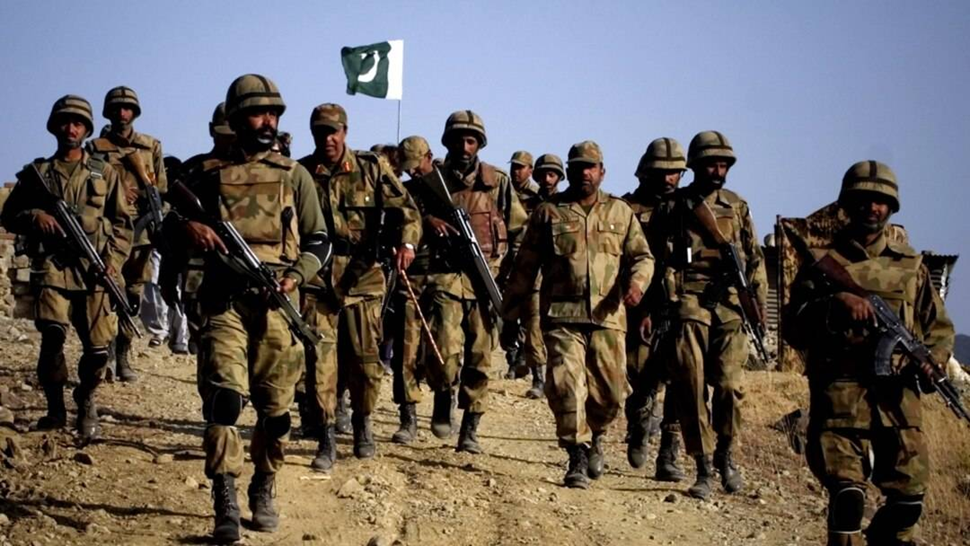
A primary flaw in critical commentary is the tendency to misinterpret asymmetric, sporadic violence as evidence of territorial loss or state failure. In modern counter-terrorism discourse, hit-and-run attacks against civilian soft targets or isolated infrastructure do not signal strategic strength; rather, they reflect the desperation of declining insurgent factions attempting to maintain international relevance. Over the past decade, law enforcement and security forces have systematically dismantled core terrorist networks, secured key border corridors, and tightened intelligence based operations along the Afghan and Iranian borders. What is often framed as a spiraling crisis is, in operational reality, the violent death throes of isolated groups operating with dwindling external support.
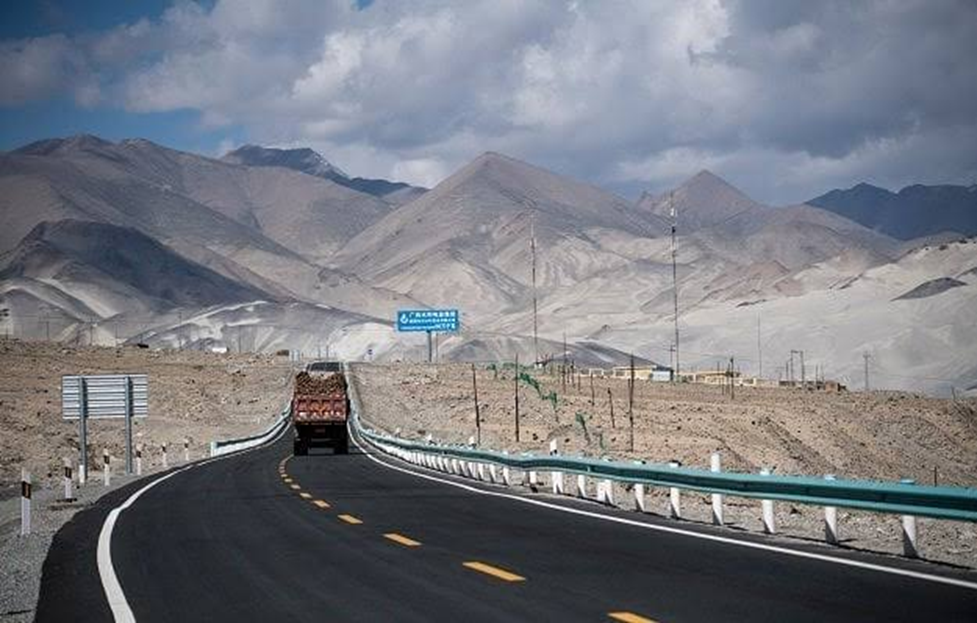
Parallel to security measures is an unprecedented push toward structural economic integration. Far from remaining an isolated expanse, Balochistan serves as the strategic anchor of Pakistan’s regional connectivity vision. Through the China-Pakistan Economic Corridor (CPEC) and related national initiatives, deep-water port infrastructure at Gwadar, coastal highways, and transport networks are physically connecting Central Asia and Western China to the Arabian Sea.
Critically, recent policy has pivoted toward ensuring these macro-projects deliver direct local benefits. Targeted investments in coastal seawater desalination, dedicated power generation for district headquarters like Turbat, and the establishment of Special Economic Zones (SEZs) are building a resilient local economy. Specialized security divisions now ensure these trade arteries remain safe and operational, cementing Balochistan’s role as a future commercial crossroads rather than a dead zone.
Equally important is the ongoing process of political mainstreaming. Media rhetoric that depicts the population as universally alienated ignores the robust participation of Balochistan’s diverse electorate, comprising Baloch, Pashtun, and other communities, in the country’s constitutional framework. Voters consistently turn out for provincial and national elections, choosing democratic governance over these terrorist networks operating on foreign agenda. Furthermore, state-backed reconciliation programs have provided clear off-ramps for former combatants, while educational quotas, youth development packages, and civil service integration actively address historical
socioeconomic gaps.
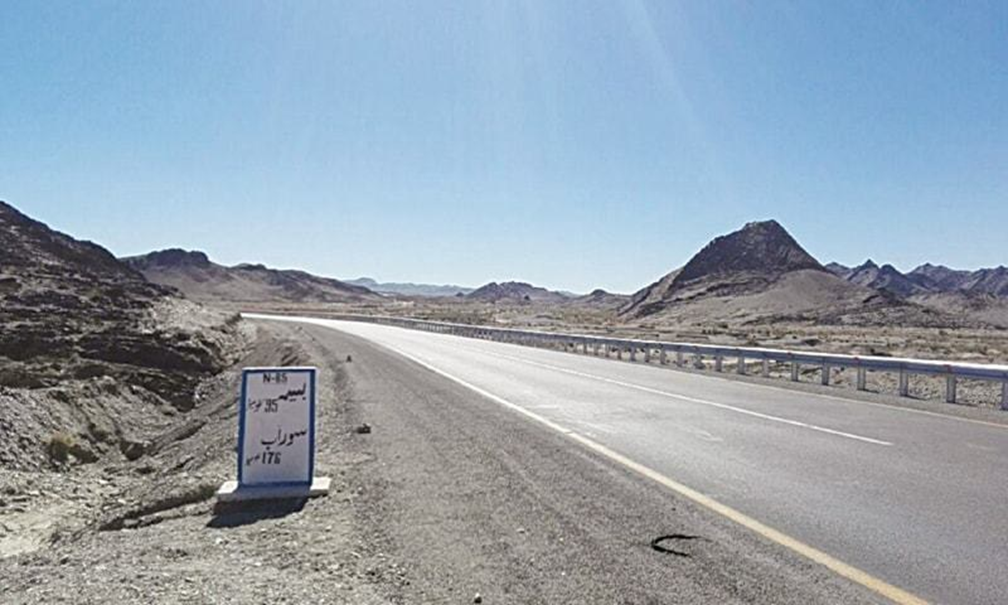
Labeling Balochistan through reductionist tropes does a profound disservice to the complex progress occurring on the ground. Presenting isolated security challenges as proof of a failed governance model willfully ignores the majority of the province, where everyday trade, public administration, and civic life continue as normal.
Security challenges in frontier regions are neither unprecedented nor insurmountable. Through a calibrated strategy combining firm border management, constitutional inclusion, and sustained infrastructure investment, the province is steadily securing its footing. Balochistan is not a lost cause or a perpetual crisis zone; it is a vital, resilient frontier actively shaping Pakistan’s economic and strategic future.