
The recent elimination of twelve terrorists during an intelligence-based operation in the Kalat district of Balochistan marks a critical milestone in Pakistan’s ongoing struggle against terrorism. Conducted under the overarching vision of the National Action Plan and the Azm-e-Istehkam campaign, this swift tactical success underscores the evolving precision and proactive posture of the country’s security apparatus. Rather than merely reacting to tragic assaults after they occur, intelligence-led operations reflect a strategic shift toward neutralizing threats at their source before they can inflict chaos on civilian populations or critical infrastructure.
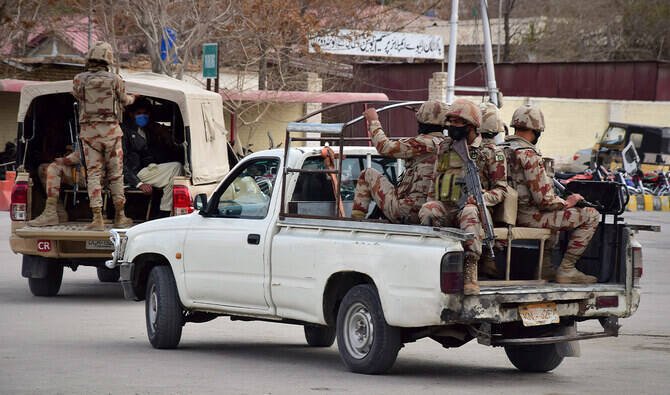
For years, Balochistan has served as a primary battleground for asymmetric warfare, where violent groups aim to destabilize the province, intimidate local communities, and disrupt economic development. The discovery and destruction of heavy ammunition caches and improvised explosive devices during the Kalat operation highlight the lethal intent of these insurgent networks. Furthermore, the frequency of such engagements, including recent confrontations along key transit routes like the Quetta-Taftan and N-50 highways, reveals a deliberate pattern by anti-state terrorist elements to strangle regional mobility, target state institutions, and enforce extortion through terror. By dismantling these strongholds, security forces not only safeguard lives but also protect essential national supply lines and developmental corridors vital to the economic future of the province.
However, military precision alone cannot be the sole remedy for Balochistan’s deep-rooted security challenges. While operational victories provide immediate relief and demonstrate the unwavering commitment of law enforcement agencies, long-term stability requires a comprehensive, multidimensional strategy. Tactical achievements on the battlefield must be matched by persistent administrative vigilance and robust political engagement. Neutralizing terrorist cells disrupts the immediate capability of terrorist organizations, but sustainable peace depends on addressing the broader environment that allows such groups to operate. Securing remote terrain, curbing illicit financing, and cutting off foreign patronage are indispensable elements of a holistic counterterrorism framework.
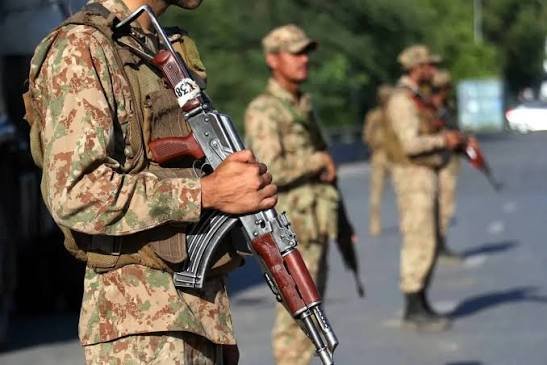
The praise directed toward the security forces by the leadership in Islamabad acknowledges the immense sacrifices made by personnel on the ground. Yet, national security policy must remain clear-eyed about the road ahead. The ongoing sanitization operations in Kalat demonstrate that the threat remains persistent and adaptive, requiring continuous, coordinated pressure across all state institutions. Countering violent extremism is a marathon, not a sprint, demanding seamless integration between intelligence agencies, civilian authorities, and local populations.
Ultimately, the successful operation in Kalat stands as a testament to the resilience and operational readiness of Pakistan’s defense apparatus. It sends an unequivocal message that the state will maintain zero tolerance for terrorism and illegal violence within its borders. However, to convert these individual operational successes into lasting peace, the momentum gained in Kalat must be leveraged into broader socio-economic stability, institutional reinforcement, and an unyielding commitment to securing every corner of Balochistan for its citizens.