Balochistan is central to Pakistan’s CPEC projects, mineral resources and regional connectivitybbut why does security remain such a major challenge?
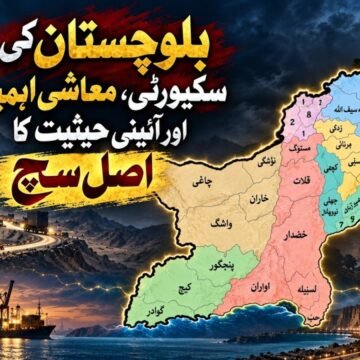

Balochistan is central to Pakistan’s CPEC projects, mineral resources and regional connectivitybbut why does security remain such a major challenge?
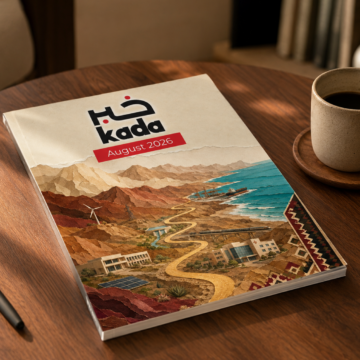
KhabarKada’s August 2026 magazine brings together an extensive examination of Balochistan’s history, security, governance, economic potential and evolving political narratives. Through analytical articles and in-depth podcast conversations, the issue explores the forces shaping the province while examining how terrorism, propaganda, regional instability and administrative weaknesses can affect peace and development.
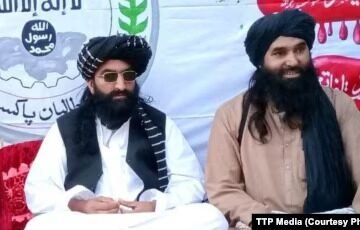
Every claim of a devastating attack, every inflated casualty figure attributed to security forces, and every triumphant statement issued in the name of Tehreek-i-Taliban Pakistan (TTP), designated by the state as Fitna-al-Khawarij, deserves to be read not as battlefield reporting, but as a calculated instrument of psychological warfare. A close examination of ground realities against the group's propaganda reveals a chasm too wide to be accidental. This is not a terrorist organization documenting its operations; it is a defeated network manufacturing the illusion of relevance through an information war it can no longer win on the ground.
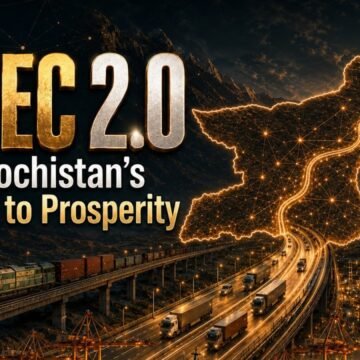
CPEC Phase 2.0 is entering a new era shifting focus from infrastructure to industrialization, skills development, and inclusive growth in Balochistan. With vast mineral resources, a strategic coastline, and untapped agricultural potential, Balochistan stands at the center of Pakistan's next economic transformation. From vocational training through B-TEVTA to blue economy projects around Gwadar, renewable energy expansion, and climate-resilient agriculture, this phase of the China-Pakistan Economic Corridor aims to turn connectivity into real, on-the-ground opportunity for local communities. The real measure of success? Jobs created, skills gained, and prosperity shared.
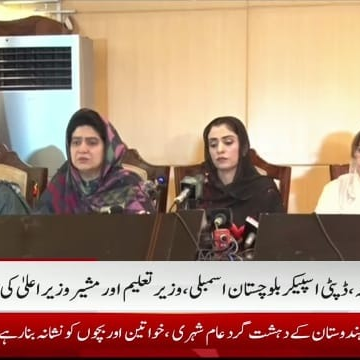
When a mother and daughter are attacked inside their own home, the tragedy reaches far beyond the immediate loss of two lives. It touches the fundamental values of security, dignity, family and community. The killing of Bibi Hanifa and her daughter Hafsa in Nushki has brought these concerns into sharp focus and has given renewed importance to the recent press conference in Quetta, where Balochistan’s women parliamentarians spoke firmly about the protection of women and the collective responsibility to uphold peace.
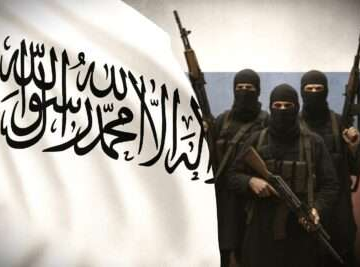
The release of the 38th United Nations Monitoring Team (UNMT) Report offers something the debate over regional terrorism has long lacked: independently documented evidence. For years, the Baloch Liberation Army (BLA) has been framed disconnected from the wider terrorist ecosystem operating out of Afghanistan. The UNMT's latest findings make that framing untenable. They reassert Afghanistan as a permissive environment for terrorist networks of every stripe, and they substantiate, with specificity, the BLA's operational integration into a transnational terrorist matrix.
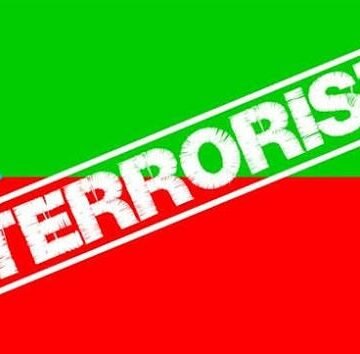
A flag is never merely a collection of colours and symbols. It is a tool for constructing identity, shaping memory and communicating a narrative. In the case of the Balochistan Liberation Army (BLA), a terrorist organisation designated as such by the United States and proscribed by Pakistan, the question is therefore not simply what its flag represents. The more important question is which identity it was intended to create, which identity it was intended to replace, and who determined the symbols by which that replacement would be communicated.
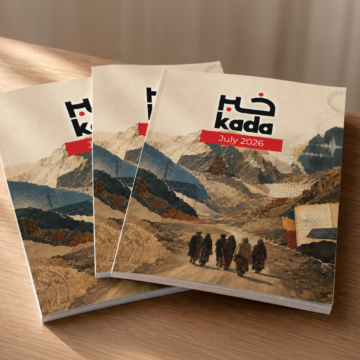
The June 2026 issue of Khabar Kada examines Balochistan through two intertwined lenses: countering terrorism and ongoing development.
The Balochistan Liberation Front (BLF) produces a monthly Balochi-language publication that functions as subversive literature. While framed as a publication of resistance, it inadvertently reveals what the BLF truly is: a RAW-funded propaganda operation that exploits young men while its leadership remains safe abroad.
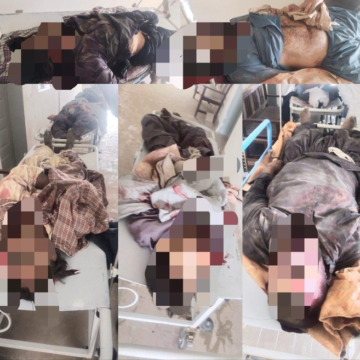
In Mashkel town of Balochistan’s Washuk district, the Baloch Liberation Army (BLA) carried out yet another cold-blooded terrorist attack. Five Innocent civilians, including barbers and labourers from Punjab, were deliberately targeted and murdered....