Re-examining the Legacy of Nawab Akbar Bugti: Facts, Narrative, and the Terrorist Exploitation
Post

Re-examining the Legacy of Nawab Akbar Bugti: Facts, Narrative, and the Terrorist Exploitation

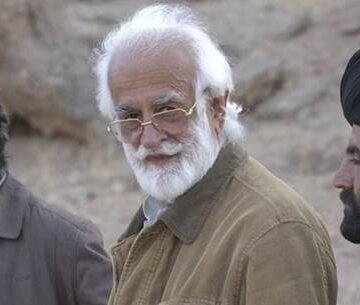
On August 26, two decades after the fateful events in the rugged mountains of Dera Bugti, the death anniversary of Nawab Akbar Bugti once again brings the complex dynamics of Balochistan into focus. While anti-state elements and violent terrorist networks attempt to weaponize his memory every year to fuel an anti-Pakistan propaganda machine, a sober look at historical facts reveals a vastly different picture, one that highlights both the reality of his final hours and the sharp divide between traditional tribal leadership and modern, ideologically violent terrorist outfits like the Baloch Liberation Army (BLA).
The Architecture of a Lie: How Fitna-al-Khawarij Wages War Through Words
Post

The Architecture of a Lie: How Fitna-al-Khawarij Wages War Through Words

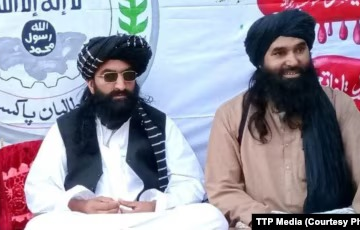
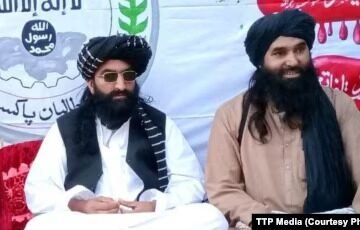
Every claim of a devastating attack, every inflated casualty figure attributed to security forces, and every triumphant statement issued in the name of Tehreek-i-Taliban Pakistan (TTP), designated by the state as Fitna-al-Khawarij, deserves to be read not as battlefield reporting, but as a calculated instrument of psychological warfare. A close examination of ground realities against the group's propaganda reveals a chasm too wide to be accidental. This is not a terrorist organization documenting its operations; it is a defeated network manufacturing the illusion of relevance through an information war it can no longer win on the ground.

خوارج کی شورش کے دعووں کی حقیقت
Post

خوارج کی شورش کے دعووں کی حقیقت

تحریک طالبان پاکستان عرف فتنۃ الخوارج کی جانب سے خیبر پختونخوا، بلوچستان اور بالخصوص قبائلی اضلاع میں کیے جانے والے دہشت گردانہ حملوں اور سکیورٹی فورسز کے شدید نقصانات کے دعوے دراصل ایک باقاعدہ منظم نفسیاتی جنگ اور انفارمیشن وارفیئر کا حصہ ہیں۔ حالیہ اعداد و شمار اور آزادانہ تحقیقات اس حقیقت پر سے پردہ اٹھاتی ہیں کہ اس تنظیم کی جانب سے پیش کیے جانے والے بیشتر بیانیے، حملوں کی رپورٹس اور ہلاکتوں کے اعداد و شمار یا تو مکمل طور پر من گھڑت ہیں، غیر مصدقہ ہیں یا پھر انہیں انتہائی مبالغہ آرائی کے ساتھ پیش کیا جاتا ہے۔ جب ہم زمینی حقائق کا باریک بینی سے جائزہ لیتے ہیں تو دہشت گرد پروپیگنڈے اور اصل صورتحال کے درمیان ایک بہت بڑا خلیج نظر آتا ہے۔ پاکستان انسٹی ٹیو

A UN Report That Can No Longer Be Ignored: The Case for Reassessing the BLA’s Global Ties
Post

A UN Report That Can No Longer Be Ignored: The Case for Reassessing the BLA’s Global Ties

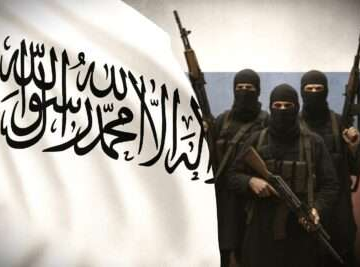
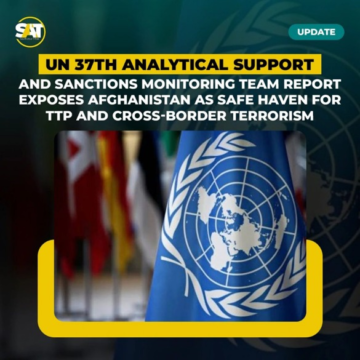
The release of the 38th United Nations Monitoring Team (UNMT) Report offers something the debate over regional terrorism has long lacked: independently documented evidence. For years, the Baloch Liberation Army (BLA) has been framed disconnected from the wider terrorist ecosystem operating out of Afghanistan. The UNMT's latest findings make that framing untenable. They reassert Afghanistan as a permissive environment for terrorist networks of every stripe, and they substantiate, with specificity, the BLA's operational integration into a transnational terrorist matrix.

Decoding the BLA Flag: A Symbol of Disruption and External Agendas
Post

Decoding the BLA Flag: A Symbol of Disruption and External Agendas

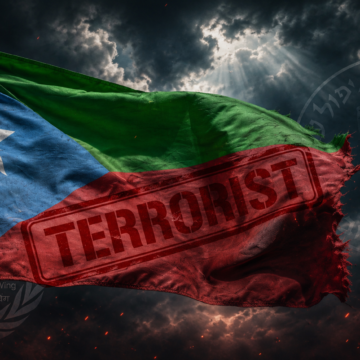
Flags are meant to carry the memory of a people along with their history, values and aspirations. So, when a banned terrorist outfit adopts one, its design deserves scrutiny beyond the slogans printed alongside it. Look closely at the flag flown by the Balochistan Liberation Army, and a pattern emerges that many analysts argue has less to do with Baloch heritage than with the strategic priorities of the group's external patrons like RAW and Mossad.

Surab Blast: A Mirror to Terrorism’s Own Failures
Post

Surab Blast: A Mirror to Terrorism’s Own Failures

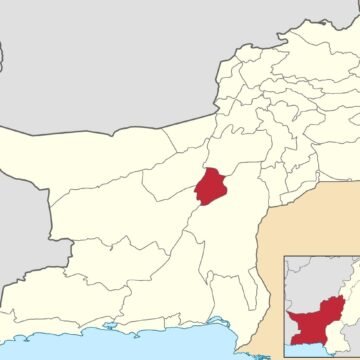
The events of 12 August 2026 in Surab, Balochistan, deserve not to be read through the distorted lens that groups like the BLA and BYC are already trying to construct online. What happened was straightforward. A Vehicle Borne Improvised Explosive Device, under preparation by terrorists affiliated with Fitna al Hindustan, detonated prematurely. Eight terrorists were killed instantly, with several more injured, along with the tragic loss of three nearby civilians whose lives were endangered simply because these barbaric terrorists chose to store explosives in a populated area. That single fact tells us everything about how these networks operate. They do not fight wars. They plant death in the middle of ordinary neighborhoods.

Exposing Al-Mirsaad’s Fictitious Conception of Psychological Warfare
Post

Exposing Al-Mirsaad’s Fictitious Conception of Psychological Warfare

Al-Mirsaad's recent piece, "Pakistan and ISIS Through the Lens of Ideological and Psychological Warfare," reads at first like a serious attempt at security analysis. It borrows the vocabulary of the field: information operations, proxy networks, ideological warfare. But strip away the jargon and what remains is not analysis at all. It is assertion dressed up as scholarship, and the gap between the two is where the piece actually falls apart.

Reframing Balochistan: Beyond Security Reductionism to Long-Term Stability
Post

Reframing Balochistan: Beyond Security Reductionism to Long-Term Stability

In contemporary geopolitical discourse, international commentary frequently fixates on high-visibility security incidents to paint an alarmist picture of Pakistan’s largest province. Narratives declaring Balochistan an inherently destabilized or unmanageable frontier routinely collapse complex regional dynamics into simple crisis metrics. While security friction undeniably exists reducing Balochistan to a state of perpetual emergency presents a distorted, fundamentally incomplete reality. A rigorous evaluation requires looking beyond sensationalist headlines to examine the structural resilience, economic integration, and institutional consolidation taking shape across the province.

Kalat’s Accession to Pakistan: Setting the Record Straight
Post

Kalat’s Accession to Pakistan: Setting the Record Straight

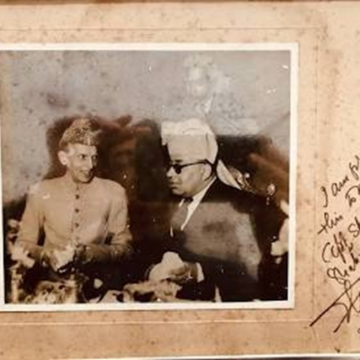
In contemporary geopolitical discourse, historical narratives surrounding the accession of princely states to Pakistan after the 1947 partition are frequently subjected to revisionism. Few topics have been as heavily obscured by myths and political hyperbole as the accession of the State of Kalat to Pakistan. Counter-narratives often paint a picture of coercion, bypassing the legal and political realities of the era. However, an objective examination of historical documents, legal frameworks, and political developments reveals a straightforward truth: