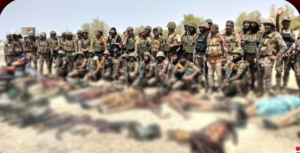
The myth that the Taliban hold absolute control over Afghanistan is rapidly falling apart. For three years, the de facto regime claimed total victory, brushing off armed opposition as isolated noise. Yet a recent wave of coordinated attacks across the country reveals a far more dangerous reality for the leadership in Kabul. Resistance is no longer bottled up in distant northern mountains. Moving from Badakhshan and Faryab in the north, through the capital, and down into the Taliban’s traditional southern strongholds of Kandahar and Helmand, a multi-front insurgency is systematically targeting the regime’s security network.
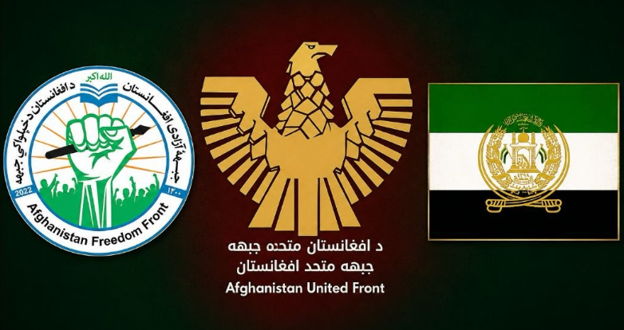
This surge stands out because of its broad geographic reach and deadly precision. Multiple resistance groups, including the Afghanistan Freedom Front, the National Resistance Front, the Afghanistan United Front, and the Afghanistan Green Trend, are coordinating efforts to hit high-profile targets. In Ghazni, an attack eliminated a key deputy commander from Taliban Unit 06, showing that top officials are no longer safe. Out east in Badakhshan, local fighters successfully pushed back elite reinforcements rushed in from Kabul after hours of heavy combat. Meanwhile, deliberate strikes against intelligence officers in Jalalabad and major military compounds in Herat show that these forces can strike anywhere they choose.
These attacks hit the regime right where it hurts most: its core promise of national security. When fighters can target a police district in Kunar, hit military vehicles in Laghman, and ambush checkpoints along the highway connecting Faryab and Ghor, the image of a stable nation vanishes. Resistance units are not just making headlines; they are gathering actionable intelligence, killing regime personnel, and seizing modern assault rifles, rocket launchers, and ammunition. By restocking their own armories from captured Taliban equipment, these groups are building a self-sustaining fight.

The bigger picture is clear. Insurgencies do not need to win massive battles to succeed; they just need to wear down the ruler through continuous pressure. By forcing the regime to scramble troops across the country to patch up security breaches, the resistance is stretching Taliban resources past their limit. The regime’s harsh rules have alienated the population rather than earning their loyalty, creating fertile ground for armed opposition to grow.
Afghanistan is reaching a critical turning point. The steady drumbeat of attacks from border to border proves that the Taliban’s grip on power is far weaker than it appears. As opposition forces expand their footprint and refine their tactics, the regime is suddenly forced to confront the very threat it once used to gain power: a relentless, widespread insurgency that threatens to tear its authority apart from the inside out.