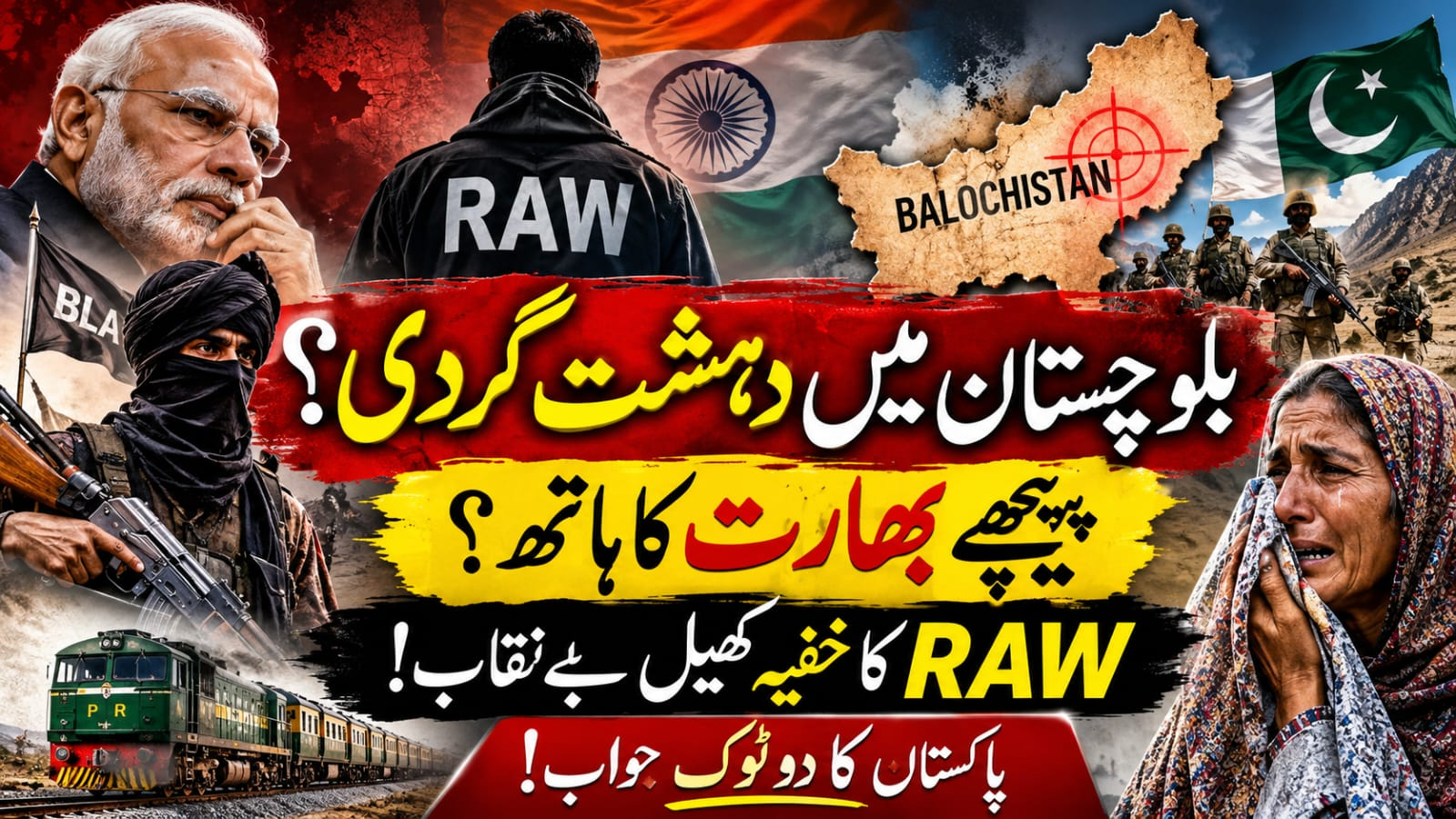
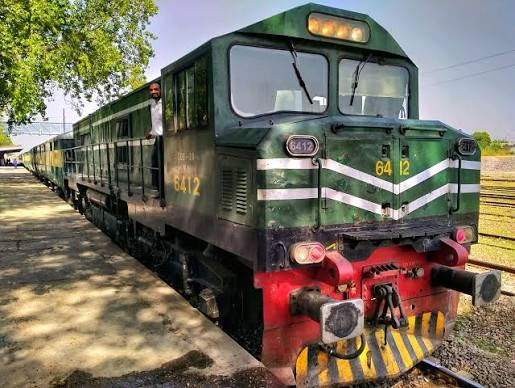
On 28 October 2026, Fitna-ul-Hindustan (FAH) terrorists attempted to target the Peshawar-bound Jaffar Express near Notal in Naseerabad district, Balochistan, by firing a rocket at the passenger train. The rocket missed its target, and the timely deployment of Frontier Corps (FC) personnel helped foil the attempt. No casualties, damage to the train or derailment were reported.
The failed attack reflects a recurring pattern in which terrorists, facing continued pressure from security forces, turn towards vulnerable civilian targets. Unable to achieve their objectives through direct confrontation, these groups resort to violence that threatens ordinary passengers and disrupts essential public services. The Jaffar Express, a vital railway link connecting Balochistan with other parts of Pakistan, has repeatedly faced such threats.
From railway lines to educational institutions, FAH terrorists continue to endanger the lives of ordinary Pakistanis in their pursuit of violence.
The latest incident follows the attack on a girls’ degree college in Nushki, where three masked BLA terrorists vandalized the principal’s office and opened fire, injuring three female students, one critically. The targeting of students and the attempted strike on a passenger train expose the disregard these terrorist groups have for civilian life, particularly the safety of women, students and ordinary travellers.
The Jaffar Express has endured repeated attacks over the past two years. In October 2025, FAH terrorists belonging to the Balochistan Liberation Army (BLA) fired rockets and opened fire on the Peshawar-bound train near Notal in Naseerabad district. Earlier that month, a remote-controlled improvised explosive device detonated near Sultan Kot, close to the Sindh-Balochistan border, derailing several coaches and injuring passengers.
The most serious assault came on 11 March 2025, when BLA terrorists hijacked the Jaffar Express in the Bolan Pass and held hundreds of passengers hostage. Pakistani security forces launched an operation to rescue the hostages, bringing the siege to an end after more than a day. The incident exposed the grave risks terrorist violence poses to civilian transport and the people who depend on it.
Railway operations in Balochistan were also reported suspended on 28 October, although details regarding the duration and affected routes remained unclear. Such disruptions demonstrate how terrorist threats extend beyond the immediate target, affecting civilian mobility and the normal functioning of public services.
The attempted rocket strike failed, but its intended target was civilian life. The timely response of FC personnel prevented a potential tragedy and reinforced the importance of effective security deployments along vulnerable railway routes.
Repeated attacks on passenger trains, schools and other civilian spaces reveal the direction of FAH’s campaign. Terrorist violence seeks to spread fear, disrupt daily life and undermine stability in Balochistan. Pakistan’s response must remain focused on protecting civilians, securing public infrastructure and denying terrorist groups the space to operate. The Jaffar Express reached no point of danger this time, and the terrorists failed to achieve their objective. Their continued attempts to target innocent people will not break the resolve to safeguard Balochistan or derail Pakistan’s efforts to restore lasting peace.