The federal government’s decision to establish an Area Development Secretariat (ADS) for 12 districts of Khyber Pakhtunkhwa marks a significant administrative intervention in regions facing persistent security challenges, governance gaps and development needs. The arrangement, which came into force immediately following its publication in the Extraordinary Gazette of Pakistan on October 11, 2026, places extensive administrative, security and financial powers under a unified structure.
Issued under Federal Government Order No. 2/2026, the directive establishes an Area Representative and Development Council (ARDC) to oversee the new framework. The designated districts include Dera Ismail Khan, Tank, Lakki Marwat, Bannu, Bajaur, Mohmand, Khyber, Kurram, Orakzai, North Waziristan, Upper South Waziristan and Lower South Waziristan.
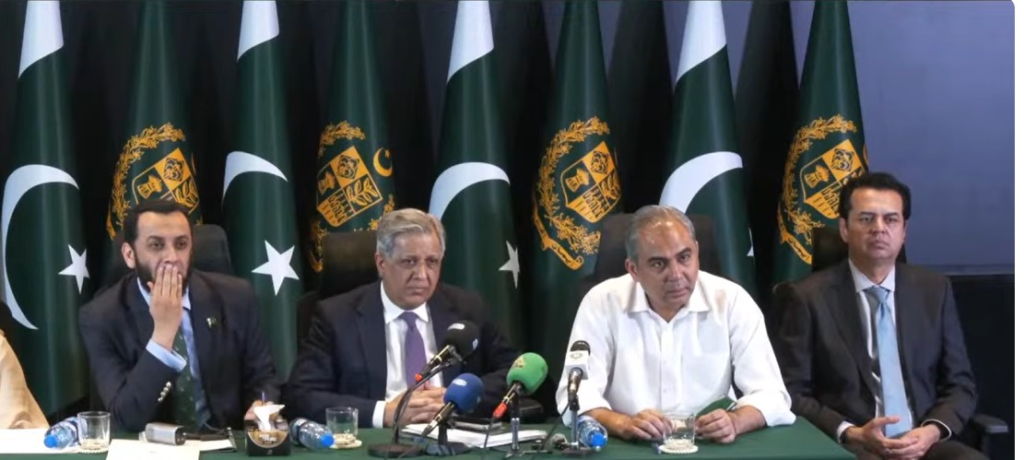
The central objective is to bring security, administration and development under coordinated leadership in districts where fragmented governance can undermine the delivery of essential services and the restoration of lasting stability.
The secretariat will be headed by the Additional Chief Secretary, Khyber Pakhtunkhwa (Designated Districts), who will also serve as its administrator. The ARDC will comprise prominent personalities from the designated districts, with its leadership and membership determined under procedures established by the relevant authorities.
Under the order, provincial officials and personnel of other government bodies operating in these districts will fall under the secretariat’s administrative and operational control. The prime minister may also order postings and transfers on the administrator’s recommendation, creating a more centralised chain of command across the designated areas.
The administrator will exercise executive, administrative and law-enforcement powers otherwise vested in or exercisable by the provincial government within these districts. The mandate includes issuing binding directions to civil, police and military authorities, reorganising departmental structures, coordinating with federal agencies and the armed forces, and taking measures relating to public safety, economic stability, relief operations and essential services.
The authority to allocate and transfer funds is another defining feature of the arrangement. By combining administrative oversight with financial decision-making, the framework seeks to reduce institutional delays and improve coordination between security priorities and development initiatives.
However, the effectiveness of this model will depend on how these powers translate into tangible improvements in the lives of residents. Administrative centralisation can accelerate decisions, but lasting progress requires transparent spending, effective oversight, responsive public institutions and meaningful engagement with local communities. Security operations must also be accompanied by functioning schools, healthcare facilities, employment opportunities and reliable infrastructure.
The constitutional basis of the order is equally significant. The directive invokes Article 232(2)(c) following the proclamation of emergency in Khyber Pakhtunkhwa under Articles 232 and 234. It further provides that Chapter III of Part IV of the Constitution, Article 175(3) and the Khyber Pakhtunkhwa Government Rules of Business, 1985, will not apply to the designated districts. All orders and actions issued by the administrator will carry the same legal effect as those of the provincial government within the scope of the directive.
These provisions establish an exceptional administrative arrangement with far-reaching implications for governance in the affected districts. Its implementation will therefore require clear accountability, legal clarity and careful coordination between federal and provincial institutions.
For Pakistan, the challenge in these districts extends beyond the immediate restoration of law and order. Sustainable stability requires state institutions capable of protecting citizens, maintaining public services and creating conditions for economic opportunity. The new secretariat offers a centralised mechanism to pursue these objectives, provided its authority is matched by effective delivery.
The real test of the Area Development Secretariat will be whether stronger administrative control produces safer communities, more responsive governance and visible development for the people of the 12 districts.
Its success must ultimately be measured through lasting improvements on the ground.