China Presses UNSC to Sanction BLA, Majeed Brigade
Post

China Presses UNSC to Sanction BLA, Majeed Brigade

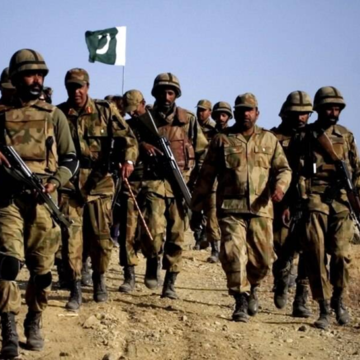
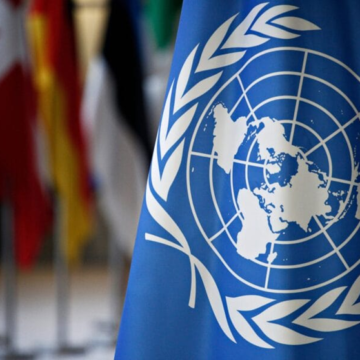
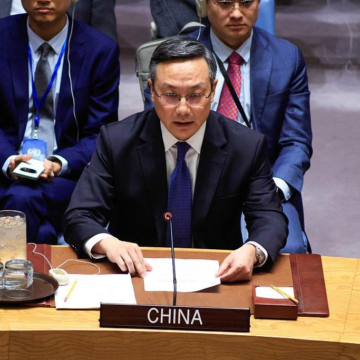
At a recent United Nations Security Council meeting on threats to international peace and security caused by terrorist acts, China called for the Balochistan Liberation Army (BLA) and its Majeed Brigade to be designated under the UN sanctions regime. Beijing also condemned the recent terrorist attack in Pakistan, called for stronger international support for Pakistan’s counterterrorism efforts, and warned that terrorist groups operating from Afghan territory continue to pose a serious regional threat.
The Documented Reality of Kalat Accession to Pakistan
Post

The Documented Reality of Kalat Accession to Pakistan

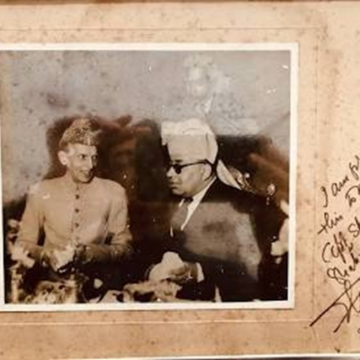
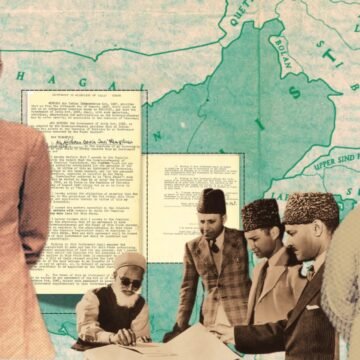
History records few moments with such clarity and documentary strength that propaganda becomes irrelevant. The accession of the State of Kalat to Pakistan is one of those moments. It was not an accident of circumstance, nor the result of pressure or ambiguity. It was a deliberate, constitutional, and publicly recorded decision taken by the rightful ruler of Kalat in the full light of the political realities of 1948.

An Inseparable Union: Exposing Indian Propaganda in Balochistan
Post

An Inseparable Union: Exposing Indian Propaganda in Balochistan

The recent commentary published by the Centre for Land Warfare Studies in New Delhi regarding a phantom declaration of independence for Balochistan is rooted entirely in an external fiction. While strategic circles in India debate the merits of strategic ambiguity, their analytical premise relies on manufactured Indian propaganda tactics designed to inflate the profile of fringe terrorist groups. What is depicted across foreign policy journals as a geopolitical shift is nothing more than a digital performance staged by terrorist outfits that possess no territorial foothold, no legitimacy, and no presence in the actual life of southwestern Pakistan.

Reframing Balochistan: Beyond Security Reductionism to Long-Term Stability
Post

Reframing Balochistan: Beyond Security Reductionism to Long-Term Stability

In contemporary geopolitical discourse, international commentary frequently fixates on high-visibility security incidents to paint an alarmist picture of Pakistan’s largest province. Narratives declaring Balochistan an inherently destabilized or unmanageable frontier routinely collapse complex regional dynamics into simple crisis metrics. While security friction undeniably exists reducing Balochistan to a state of perpetual emergency presents a distorted, fundamentally incomplete reality. A rigorous evaluation requires looking beyond sensationalist headlines to examine the structural resilience, economic integration, and institutional consolidation taking shape across the province.

Pakistan and US Stand United Against BLA, ISIS-K, and TTP
Post

Pakistan and US Stand United Against BLA, ISIS-K, and TTP

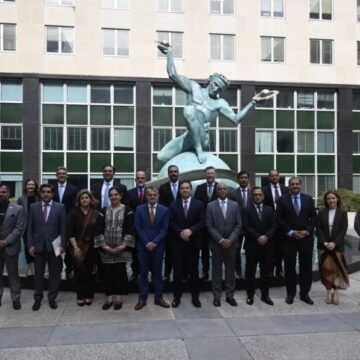
The Fourth U.S.-Pakistan Counterterrorism Dialogue, held on 4 August 2026 in Washington, D.C., delivered a firm and unambiguous message. The United States and Pakistan have reaffirmed their joint commitment to confront the Balochistan Liberation Army (BLA), ISIS-Khorasan, Al Qaeda, and the Tehreek-e-Taliban Pakistan (TTP). This is not symbolic diplomacy. It is a clear and actionable declaration of shared resolve against groups that threaten both countries and regional stability.

The TTP’s Misuse of the Qur’an
Post

The TTP’s Misuse of the Qur’an

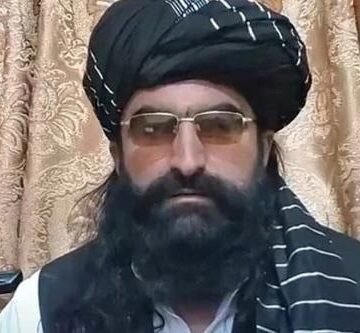
The latest propaganda video released by Kharji Noor Wali Mehsud, leader of Fitna al Khawarij (FAK), is another attempt to incite violence. By invoking Surah At-Tawbah ayat 9 he seeks to portray attacks against Pakistan's security forces as a religious obligation, giving terrorism the appearance of divine legitimacy. Rather than engaging in a genuine theological discussion, the video deliberately misuses Islam to justify the killing of Muslims. More significantly, it revives the same pattern employed by the Khawarij in early Islamic history, who selectively quoted the Qur'an, and legitimized violence under the guise of religion.

Kalat’s Accession to Pakistan: Setting the Record Straight
Post

Kalat’s Accession to Pakistan: Setting the Record Straight

In contemporary geopolitical discourse, historical narratives surrounding the accession of princely states to Pakistan after the 1947 partition are frequently subjected to revisionism. Few topics have been as heavily obscured by myths and political hyperbole as the accession of the State of Kalat to Pakistan. Counter-narratives often paint a picture of coercion, bypassing the legal and political realities of the era. However, an objective examination of historical documents, legal frameworks, and political developments reveals a straightforward truth:

سوات میں خودکش حملہ: سرحدی دہشت گردی کا فتنہ اور ریاست کا دوٹوک جواب
Post

سوات میں خودکش حملہ: سرحدی دہشت گردی کا فتنہ اور ریاست کا دوٹوک جواب

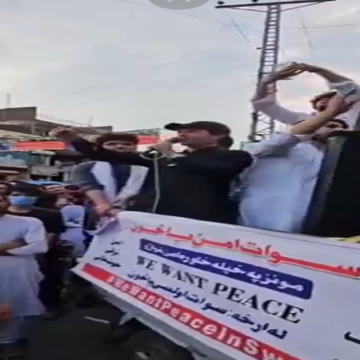
سوات کے علاقے کبل کے پولیس اسٹیشن پر افغان فتنۃ الخوارج سے تعلق رکھنے والے خودکش بمبار کا حملہ صرف ایک سیکیورٹی تنصیب پر حملہ نہیں، بلکہ انسانیت، اسلام اور پاکستان کی امن پسندی پر ایک بزدلانہ ضرب ہے۔ اس ناپاک کارروائی کے نتیجے میں 7 پولیس اہلکاروں اور 10 عام شہریوں سمیت 17 بے گناہ افراد شہید جبکہ 12 افراد شدید زخمی ہوئے۔ یہ لرزہ خیز واقعہ ایک بار پھر اس تلخ حقیقت کو واضح کرتا ہے کہ افغانستان کی سرزمین کو استعمال کرتے ہوئے پاکستان کی سلامتی کو نشانہ بنانے والے عسکریت پسند گراؤنڈ پر مکمل طور پر پسپا ہونے کے بعد اب بزدلانہ کارروائیوں پر اتر آئے ہیں۔

Weaponizing Tradition: How Pashtunwali and Cultural Codes Were Exploited by Terrorists
Post

Weaponizing Tradition: How Pashtunwali and Cultural Codes Were Exploited by Terrorists

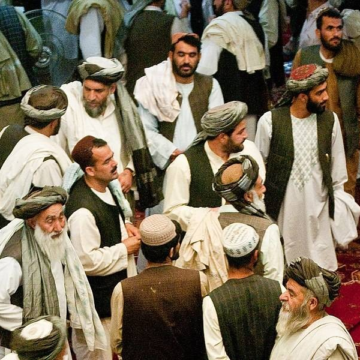
The tribal districts of Pakistan have endured decades of conflict, transition and quiet resilience. For generations Pashtunwali has formed the moral backbone of this region, a code built on hospitality, refuge, justice and honour. Today that same code faces a calculated dual assault. Violent extremist networks first weaponized its principles for shelter and recruitment. Political agitators under the banner of the Pashtun Tahafuz Movement now exploit historical grievances to push an anti-state narrative that serves neither Pashtun welfare nor national stability.