Decoding the BLA Flag: A Symbol of Disruption and External Agendas
Post

Decoding the BLA Flag: A Symbol of Disruption and External Agendas

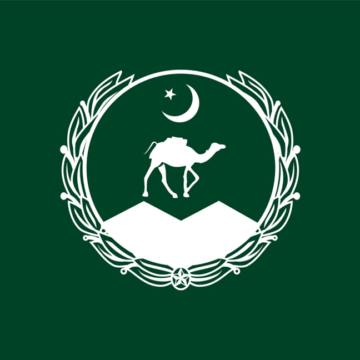
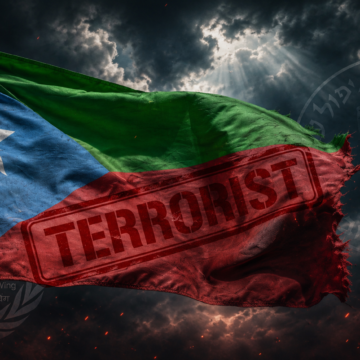
Flags are meant to carry the memory of a people along with their history, values and aspirations. So, when a banned terrorist outfit adopts one, its design deserves scrutiny beyond the slogans printed alongside it. Look closely at the flag flown by the Balochistan Liberation Army, and a pattern emerges that many analysts argue has less to do with Baloch heritage than with the strategic priorities of the group's external patrons like RAW and Mossad.
Cross-Border Terrorism Nexus
Post

Cross-Border Terrorism Nexus

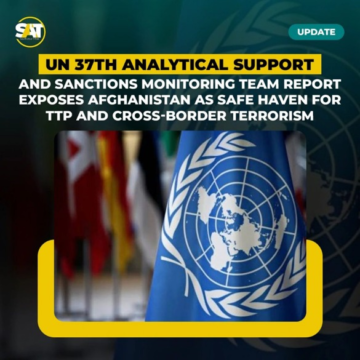
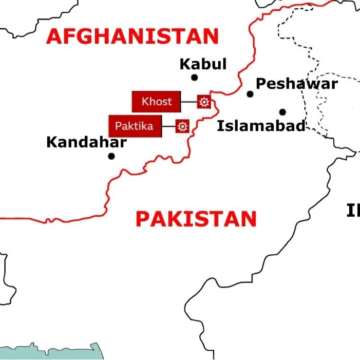
The 38th report of the UN Monitoring Team delivers a clear verdict that Afghanistan remains a permissive haven for terrorist groups that directly threaten Pakistan and regional stability. It documents the continued presence and operations of TTP, ISKP, Al-Qaeda and the ETIM. Most significantly, it records BLA’s operational links with these designated organisations through shared facilitation networks. This finding arrives after the United States, United Kingdom and France blocked Pakistan and China’s joint bid to list the BLA and its Majeed Brigade under the UN 1267 sanctions regime.

Surab Blast: A Mirror to Terrorism’s Own Failures
Post

Surab Blast: A Mirror to Terrorism’s Own Failures

The events of 12 August 2026 in Surab, Balochistan, deserve not to be read through the distorted lens that groups like the BLA and BYC are already trying to construct online. What happened was straightforward. A Vehicle Borne Improvised Explosive Device, under preparation by terrorists affiliated with Fitna al Hindustan, detonated prematurely. Eight terrorists were killed instantly, with several more injured, along with the tragic loss of three nearby civilians whose lives were endangered simply because these barbaric terrorists chose to store explosives in a populated area. That single fact tells us everything about how these networks operate. They do not fight wars. They plant death in the middle of ordinary neighborhoods.

Deconstructing PTM’s Occupation Narrative
Post

Deconstructing PTM’s Occupation Narrative

The narrative promoted by the Pashtun Tahafuz Movement (PTM) and its overseas supporters rests on a central claim: that Pashtuns are an oppressed and occupied people within Pakistan. It is a powerful slogan, designed to evoke emotions and attract international sympathy. Yet when measured against Pakistan’s constitutional structure, political realities, and the actual role of Pashtuns in the state, the claim quickly collapses under its own contradictions.

Irredentist Politics of PTM
Post

Irredentist Politics of PTM

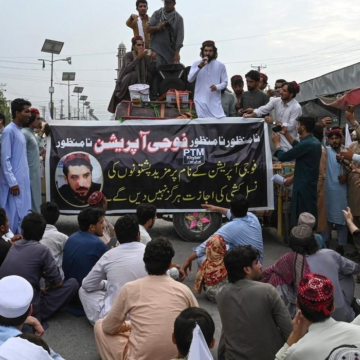
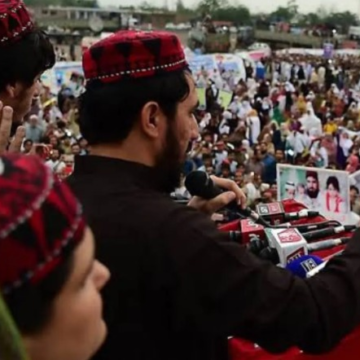
The Pashtun Tahafuz Movement (PTM) presents itself as a grassroots movement committed to protecting Pashtun rights and addressing grievances arising from conflict, displacement, and insecurity. Yet the movement’s broader political rhetoric warrants scrutiny when legitimate concerns are increasingly framed through ethnic polarization, disputed historical narratives, and demands that challenge established territorial boundaries. The upcoming “One Nation, One Goal” event being organized by PTM in Colorado on August 15, 2026, provides an opportunity to examine not only the movement’s stated objectives but also the political narrative underlying its conception of Pashtun identity.

History Rejects the August 11 Claim
Post

History Rejects the August 11 Claim

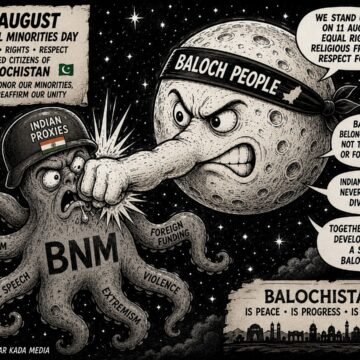
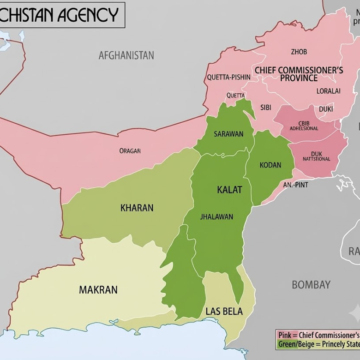
Every year, as 11 August approaches, the same claim returns with fresh graphics and louder volume. Diaspora channels and partisan pages insist that Balochistan was a free and sovereign nation that declared independence on that date in 1947. The claim is repeated with confidence. The historical record does not support it.

Exposing Al-Mirsaad’s Fictitious Conception of Psychological Warfare
Post

Exposing Al-Mirsaad’s Fictitious Conception of Psychological Warfare

Al-Mirsaad's recent piece, "Pakistan and ISIS Through the Lens of Ideological and Psychological Warfare," reads at first like a serious attempt at security analysis. It borrows the vocabulary of the field: information operations, proxy networks, ideological warfare. But strip away the jargon and what remains is not analysis at all. It is assertion dressed up as scholarship, and the gap between the two is where the piece actually falls apart.

11 اگست کا مغالطہ اور بلوچستان کی تاریخی و آئینی حقیقت
Post

11 اگست کا مغالطہ اور بلوچستان کی تاریخی و آئینی حقیقت

حال ہی میں بعض بیرونی ذرائع ابلاغ، ڈیجیٹل پلیٹ فارمز اور نجی و فرضی سوشل میڈیا اکاؤنٹس کی جانب سے ایک منظم معلومات کی جنگ (Cognitive Warfare) کا آغاز کیا گیا ہے، جس میں 11 اگست کو "یومِ آزادیِ بلوچستان" کے طور پر پیش کیا جا رہا ہے۔ اس بیانیے کو تقویت دینے کے لیے چند سیاسی کرداروں اور تاریخی حقائق سے ناواقف طبقے کا سہارا لیا جا رہا ہے۔

Exposing the HRCB Report
Post

Exposing the HRCB Report

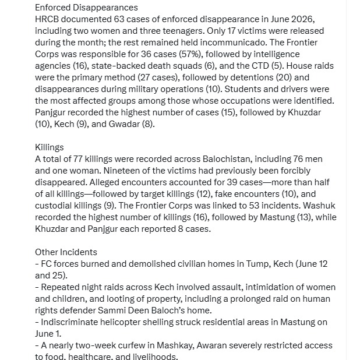
Pakistan stands firm against every attempt to distort facts and shield terrorism under the false banner of human rights. On 28 July 2026, the Human Rights Commission of Balochistan (HRCB) released a fabricated report claiming 63 forced disappearances and 77 killings in Balochistan during June. It placed the entire blame on the Frontier Corps and state institutions. This report is not a genuine human rights document. It is a deliberate tool in the narrative warfare of the banned Balochistan Liberation Army (BLA). It advances enemy propaganda through false statistics and invented stories.

قانون سازی سے ادارہ سازی تک: حکومتِ بلوچستان کے محکمہ داخلہ کا ایک سالہ تعمیری سفر
Post

قانون سازی سے ادارہ سازی تک: حکومتِ بلوچستان کے محکمہ داخلہ کا ایک سالہ تعمیری سفر

بلوچستان گزشتہ کئی دہائیوں سے دہشت گردی، انتہاپسندی، منشیات کی اسمگلنگ اور غیر قانونی تارکینِ وطن جیسے پیچیدہ انتظامی و سیکیورٹی چیلنجز سے نبرد آزما رہا ہے۔ اس وسیع و عریض خطے میں محض روزمرہ کی انتظامی کارروائیوں سے پائیدار امن ممکن نہیں تھا، بلکہ ایک ایسے جدید اور مضبوط فریم ورک کی ضرورت تھی جو ٹیکنالوجی، شفافیت اور مستحکم ادارہ سازی پر مبنی ہو۔