FAH War on Livelihoods
Post

FAH War on Livelihoods

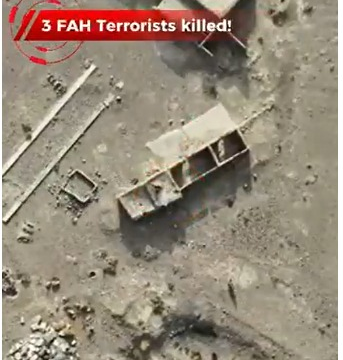
On 21 August 2026, FAH terrorists struck the Geet area of Khad Kocha, Mastung, in a drone attack that killed four people and injured three others. The target was not a military installation or a security post. It was an orchard. Labourers going about ordinary agricultural work were struck while earning an honest living, in an area already under curfew since late July following repeated attacks on the common man earning livelihood.
The Truth Behind HRCB Balochistan Report 2025
Post

The Truth Behind HRCB Balochistan Report 2025

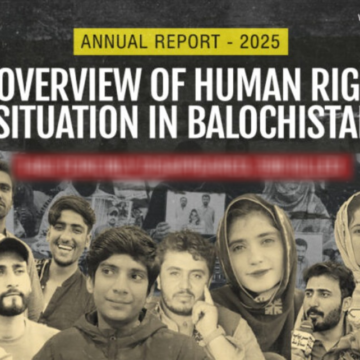
The Human Rights Council of Balochistan’s recent annual report falls short of a balanced human-rights assessment. It functions more as a selective narrative tool that amplifies claims of enforced disappearances and extrajudicial killings while framing the state as the primary source of violence. By presenting these allegations as evidence of systematic persecution and ignoring terrorism in the province, the report produces an incomplete picture of Balochistan’s security environment.

Radd-ul-Fitnah 3: Counterterrorism Momentum in Balochistan
Post

Radd-ul-Fitnah 3: Counterterrorism Momentum in Balochistan

The counterterrorism campaign in Balochistan has entered a decisive phase. Operations conducted under Radd-ul-Fitnah 3 during August 2026 demonstrate that security forces are no longer merely responding to individual terrorist attacks. They are systematically pursuing the networks, commanders, fighters and infrastructure that enable terrorist organizations to operate across the province.

The Afghanistan Based TTP Threat to Pakistan
Post

The Afghanistan Based TTP Threat to Pakistan

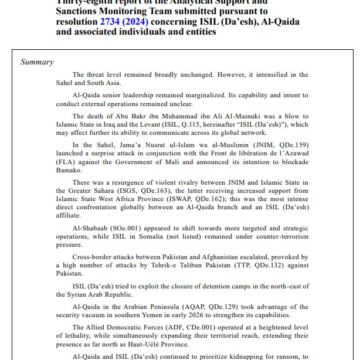
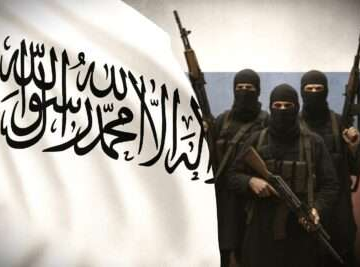
The 38th UN Monitoring Team report highlights Afghanistan's continuing role in the TTP threat against Pakistan, documenting Taliban support, a substantial TTP presence, organizational expansion, escalating attacks, Al-Qaida training and ideological support, interconnected terrorist networks, and access to advanced weapons. Together, these findings point to an Afghanistan-based terrorist infrastructure sustaining TTP's campaign against Pakistan.

Justice for Balochistan’s Women
Post

Justice for Balochistan’s Women

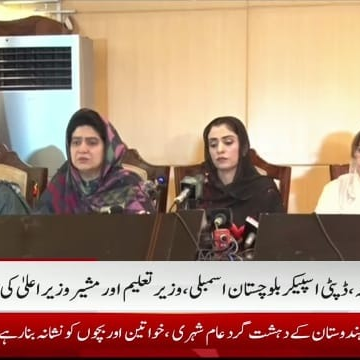
When a mother and daughter are attacked inside their own home, the tragedy reaches far beyond the immediate loss of two lives. It touches the fundamental values of security, dignity, family and community. The killing of Bibi Hanifa and her daughter Hafsa in Nushki has brought these concerns into sharp focus and has given renewed importance to the recent press conference in Quetta, where Balochistan’s women parliamentarians spoke firmly about the protection of women and the collective responsibility to uphold peace.

Mahrang Baloch’s Politics of Victimhood
Post

Mahrang Baloch’s Politics of Victimhood

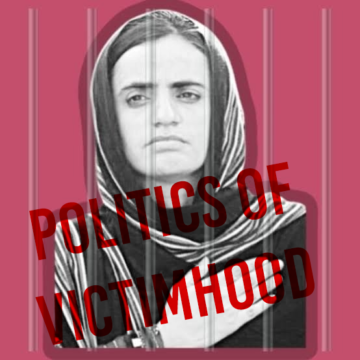
Mahrang Baloch wrote a letter from Huda Jail regarding the Sorab incident in which she framed the Sorab incident as “Baloch genocide.” The allegation removes the security context, obscures what was being targeted and recasts those affected as victims of collective persecution. The terrorist threat disappears, while the state becomes the sole accused.

Beyond Narrative Laundering in Balochistan
Post

Beyond Narrative Laundering in Balochistan

In her article “Balochistan’s Resilient Struggle: Beyond the Narrative of Militancy,” Aneesa Baloch presents the violence in Balochistan as a profound movement for self-determination. She highlights the growing role of educated women and youth, claims of historical grievances, political marginalization, and economic deception, and portrays figures like Dr. Mahrang Baloch as symbols of a rights -based struggle. Such framings collapse under the weight of established facts.

A UN Report That Can No Longer Be Ignored: The Case for Reassessing the BLA’s Global Ties
Post

A UN Report That Can No Longer Be Ignored: The Case for Reassessing the BLA’s Global Ties

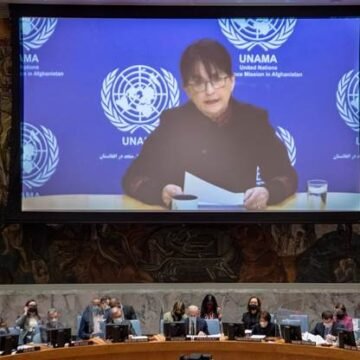
The release of the 38th United Nations Monitoring Team (UNMT) Report offers something the debate over regional terrorism has long lacked: independently documented evidence. For years, the Baloch Liberation Army (BLA) has been framed disconnected from the wider terrorist ecosystem operating out of Afghanistan. The UNMT's latest findings make that framing untenable. They reassert Afghanistan as a permissive environment for terrorist networks of every stripe, and they substantiate, with specificity, the BLA's operational integration into a transnational terrorist matrix.

The BLA Flag and the Politics of a Rewritten History
Post

The BLA Flag and the Politics of a Rewritten History

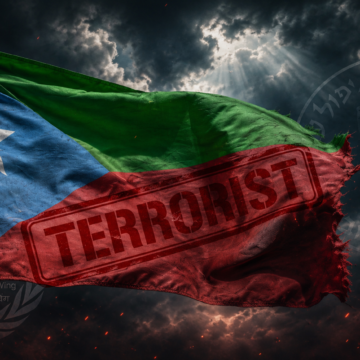
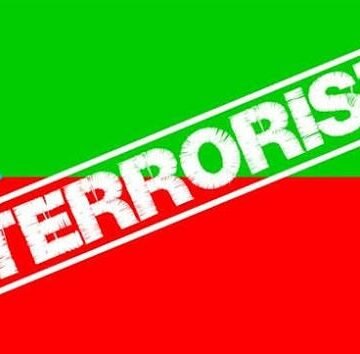
A flag is never merely a collection of colours and symbols. It is a tool for constructing identity, shaping memory and communicating a narrative. In the case of the Balochistan Liberation Army (BLA), a terrorist organisation designated as such by the United States and proscribed by Pakistan, the question is therefore not simply what its flag represents. The more important question is which identity it was intended to create, which identity it was intended to replace, and who determined the symbols by which that replacement would be communicated.

افغانستان کا بگڑتا منظرنامہ اور اقوامِ متحدہ کی چونکا دینے والی رپورٹ
Post

افغانستان کا بگڑتا منظرنامہ اور اقوامِ متحدہ کی چونکا دینے والی رپورٹ

عالمی برادری اور خاص طور پر خطے کے ممالک طویل عرصے سے جس خدشے کا اظہار کر رہے تھے، اقوامِ متحدہ کی سلامتی کونسل میں پیش کی جانے والی 38ویں مانیٹرنگ ٹیم (UNMT) کی حالیہ رپورٹ نے اس پر تصدیق کی مہر ثبت کر دی ہے۔ عالمی ادارے کی یہ رپورٹ محض چند واقعات کا مجموعہ نہیں، بلکہ اس بات کا احاطہ کرتی ہے کہ کس طرح افغان سرزمین آج بھی بین الاقوامی دہشت گرد تنظیموں کے لیے ایک محفوظ پناہ گاہ اور سازگار مسکن بنی ہوئی ہے۔