The United States has rejected the Taliban regime’s latest attempt to attract American investment into Afghanistan, exposing the limits of Kabul’s strategy of using the country’s mineral wealth to reduce its diplomatic and economic isolation.
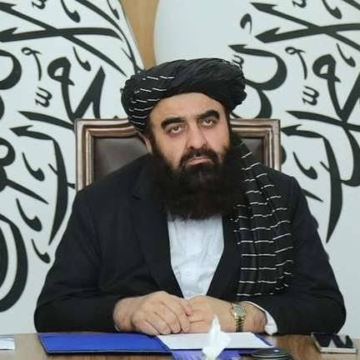

The United States has rejected the Taliban regime’s latest attempt to attract American investment into Afghanistan, exposing the limits of Kabul’s strategy of using the country’s mineral wealth to reduce its diplomatic and economic isolation.
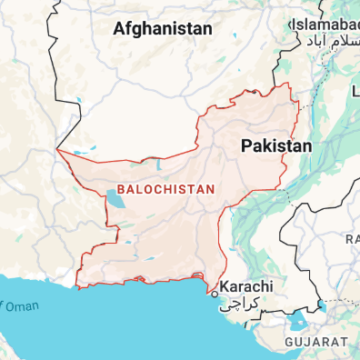
Manish Rai’s recent BESA analysis, “Balochistan Has Become a Nightmare for Pakistan and Iran,” presents a grim account of terrorist violence in Balochistan and concludes with an extraordinary prediction: that it may only be a matter of time before Pakistan confronts “a second division of the so-called country.”
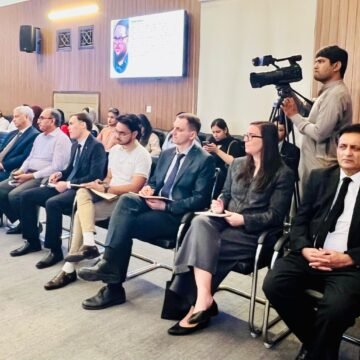
A major conference held in Islamabad to mark five years of Taliban rule in Afghanistan delivered a blunt assessment of the regime’s record. The conference was organized by the Institute of Regional Studies in collaboration with South Asia Times, bringing together policy experts, think-tank analysts, Afghanistan specialists, policymakers, diplomats, and national and international observers. The conference highlighted that the Taliban have failed to build an inclusive system of governance, uphold basic rights, or meet the security and economic expectations of Afghans and the region.
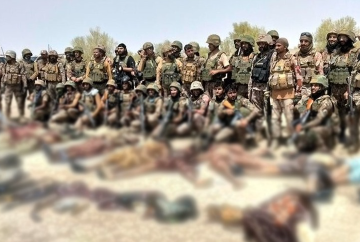
In a swift and uncompromising display of tactical superiority, Pakistan’s security forces successfully neutralized a major terror threat under Operation Radd-ul-Fitna 3, reaffirming the state’s unwavering resolve to dismantle violent networks.

Balochistan stands at a profound demographic crossroads. With over sixty percent of its population under the age of thirty, the province holds immense economic potential, yet it has long grappled with youth unemployment rates hovering near three times the national average
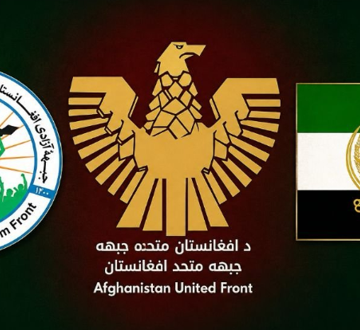
The myth that the Taliban hold absolute control over Afghanistan is rapidly falling apart. For three years, the de facto regime claimed total victory, brushing off armed opposition as isolated noise
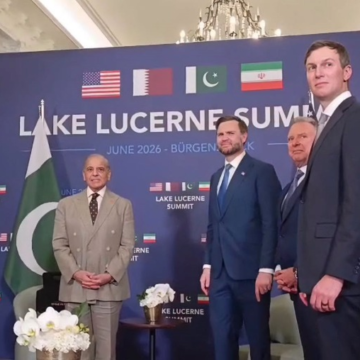
In moments of deep international crisis, the world often finds itself short of credible mediators, states trusted enough by all sides to bring them to the same table. Such was the case as war spread across the region, with major powers divided, alliances strained, and no single actor able to speak to every side at once. It is in this vacuum that Pakistan has stepped forward.
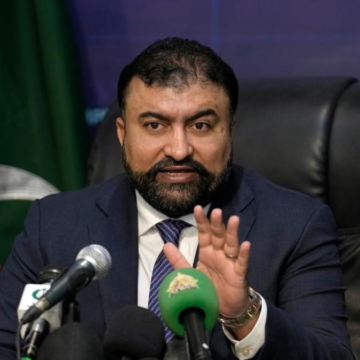
Balochistan Chief Minister Mir Sarfraz Bugti declared that private properties exploited for terrorism will no longer enjoy state immunity. He has articulated a fundamental principle of national security that a state cannot effectively combat terrorist if civilian spaces serve as unpunished launchpads for violence.
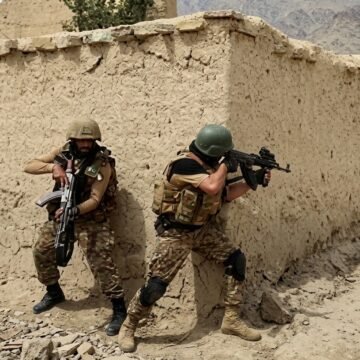
لکی مروت گزشتہ کچھ عرصے سے امن و امان کی نازک صورتحال، دہشت گردی کے خطرات اور متنوع مقامی چیلنجز کا سامنا کر رہا ہے۔ اس نوعیت کے سیکیورٹی بحران میں ریاستی اداروں، خاص طور پر سیکیورٹی فورسز کے ساتھ مکمل تعاون اور قانون کی پاسداری ہی دیرپا امن کا واحد راستہ ہے۔ تاہم، خطے میں تشکیل دی گئی نام نہاد 'پولیس امن کمیٹی' کے حالیہ طرزِ عمل نے صورتحال کو مزید پیچیدہ بنا دیا تھا۔
On 29 August, Balochistan Chief Minister Mir Sarfraz Bugti warned owners of vineyards and other private properties in Mastung that if their land was being used by terrorists, they would be treated as facilitators. He stressed that the government did not want measures that harmed ordinary citizens, particularly because terrorists often exploit civilians as human shields. At the same time, he made clear that the repeated use of private property by terrorists would not be ignored.